
 EN
EN
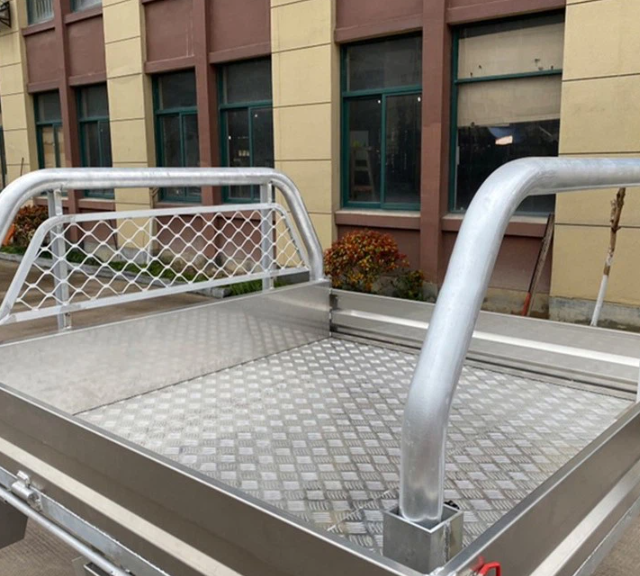
Aluminium UTE Tray Canopy Benefits: Lightweight Strength and All-Weather Durability
Corrosion Resistance and Long-Term Structural Integrity of 6061-T6 Aluminium in Humid Backyard Environments
The marine grade 6061-T6 aluminum really holds up well in those damp backyard spots because of this special oxide layer that basically heals itself when damaged. This stops problems like rust spots, pits forming, and overall weakening of the material something regular steel just can't handle when exposed to moisture changes and heat shifts. Tests done according to ASTM B117 standards show these aluminum parts keep about 95% of their original strength even after sitting out by the ocean for ten whole years. What does all this mean practically? Less time worrying about maintenance down the road, not so many fixes needed, and most importantly, these materials tend to last way past 15 years if given just minimal attention now and then.
Weight-to-Load Ratio Advantages: How Aluminium UTE Tray Canopy Designs Enhance Payload Efficiency Without Compromising Rigidity
Aluminium UTE tray canopies deliver a 30–40% weight reduction compared to steel while maintaining equivalent load-bearing performance through precision-engineered bracing and high-strength 6061-T6 extrusions. The resulting strength-to-mass ratio unlocks tangible operational benefits:
- Up to 300 kg of additional payload capacity without exceeding GVM limits
- Verified 5–7% improvement in fuel efficiency due to reduced vehicle mass
- Exceptional torsional rigidity—field tests show no measurable deflection under 1.5-ton dynamic loads, outperforming fibreglass canopies that develop stress fractures at just 800 kg
This efficiency enables full utilisation of the vehicle's chassis capability, eliminating the need for costly suspension or braking upgrades.
Integrated UTE Tray Canopy Systems: Engineering for Backyard-Specific Functionality
Purpose-Built Design Features — Tool Lockers, Livestock Dividers, and Modular Storage Integration
These integrated systems actually work with what happens in real backyards rather than just being generic stuff. The tool lockers keep expensive equipment safe from rain and sun, while the livestock dividers make sure animals stay secure during transport across rough ground. Modular rails let folks swap out different parts like fridge slides, mounts for accessories, drawers, or even shelves depending on what they need each day. Most people who use these setups tend to set one side up with all their tools neatly arranged and leave the other side open for whatever cargo they happen to be carrying at the moment. All the parts come with hardware that resists rust and wear, so they last longer even when exposed to moisture, dirt, and the occasional bump or scrape that's pretty much unavoidable in real world conditions.
Chassis Compatibility and Dynamic Load Distribution: Ensuring Stability Across Uneven Backyard Terrain
Getting the chassis just right matters a lot for vehicle performance. When manufacturers use laser scanning for mounting points, they ensure everything fits exactly where it should be. This stops problems like frame flexing, annoying rattles, or cargo shifting when moving around. The engineering team works hard to get the weight distribution right too. They place heavier parts lower down and closer to the center of the vehicle. This lowers the overall center of gravity and takes some stress off the suspension system and axles. On the road, this means better handling whether driving over hills in the yard, rough gravel driveways, muddy fields, or bumpy trails. To test how well this actually works in practice, companies run vibration tests following ISO 20653 standards and do lots of load cycling on uneven surfaces. These tests show the design holds up without breaking down or getting out of alignment over time. Drivers benefit from all this engineering effort with safer cargo stays put, less wear on mechanical parts, a smoother ride overall, and some studies even suggest fuel savings of around 8% thanks to better weight balance between front and rear wheels.
Selecting a Trusted Chinese UTE Tray Canopy Supplier: Quality Assurance, Warranty Transparency, and After-Sales Support
Certification Standards and In-House Testing Protocols (e.g., ISO 9001, Salt Spray & Vibration Tests)
Suppliers who are truly trusted run their operations according to ISO 9001 quality standards, maintaining complete traceability all the way from where they source raw materials right through to when products get assembled. Testing happens right on site, going well past what's required for basic compliance. For example, salt spray tests mimic over 1000 hours worth of corrosion damage following ASTM B117 guidelines. Meanwhile, multi axis shaking machines put components through simulated backyard conditions that last for years at a time. We're talking about things like dealing with potholes, driving over rough tracks, and those abrupt stops that happen so often in real life situations. All these rigorous checks do more than confirm the strength of individual materials; they actually prove how resilient entire systems remain. The end result? Canopies that keep performing exactly as intended, no matter what weather comes their way throughout multiple seasons.
Warranty Coverage Realities: What 'Lifetime Frame' and '5-Year Canopy Finish' Actually Mean for Backyard Users
What we call "lifetime frame" coverage actually refers to protection for the main aluminum structure throughout most products' lifespan, which is generally around 15 years or so. This doesn't cover damage from accidents, bad installation jobs, or if someone messes with the frame themselves. Then there's our 5 year warranty on the canopy finish. This covers problems like peeling, bubbling, or fading colors due to manufacturing issues with the powder coat or anodizing process. But it won't help if harsh chemicals eat away at the surface, sunlight beats down harder than expected, or folks drag metal tools across these surfaces. We make sure all these details are clearly spelled out in writing before anyone buys anything. Garden owners can read through them ahead of time so they know exactly what's covered and what isn't, helping prevent those nasty surprises when repairs start costing real money.