
 EN
EN
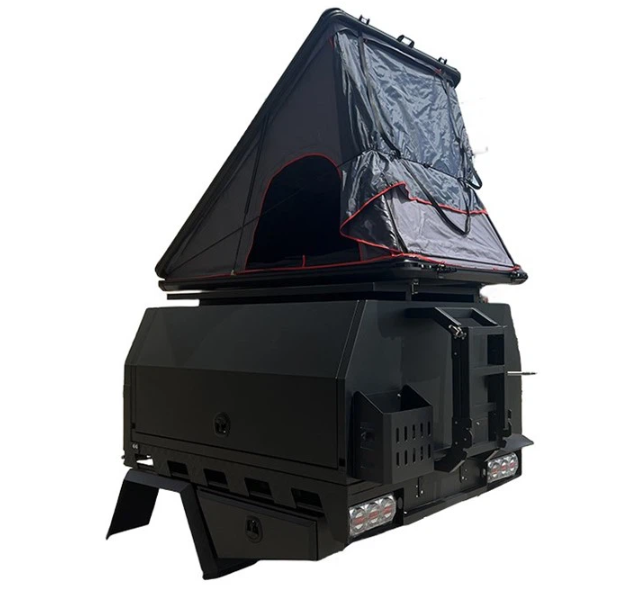
If you own a ute, you already know how useful a canopy can be. During the week, it is all about function. It carries your tools, secures your equipment, and keeps everything organized for the job. But when Friday afternoon rolls around, that same vehicle can become the gateway to a weekend adventure. The challenge is making that switch smooth and efficient. I have talked with plenty of people who use their ute for both work and play, and the ones who get it right have figured out a system. They do not spend hours swapping things out or struggling with gear that does not fit. Instead, they have a setup that transitions easily between two very different worlds. So if you want to make your canopy work just as hard on the weekends as it does during the week, let us walk through how to do it.
Understanding What Makes a Canopy Work for Both
The first thing to realize is that not every canopy is built for dual duty. A basic canopy might be fine for tossing in a few toolboxes, but when you start adding camping gear, things get complicated. The best setups are designed with versatility in mind. A canopy for a ute that handles both work and camping needs to have a few key features. It needs to be durable enough to handle heavy loads and rough conditions. It needs to have smart storage that can be reconfigured depending on what you are carrying. And it needs to be built in a way that keeps your gear secure whether you are parked at a job site or camped out in the backcountry. I have seen canopies that do this really well, and the common thread is thoughtful design.
Setting Up a System That Switches Quickly
One of the biggest frustrations people face is the time it takes to switch between work mode and camping mode. If you have to unload all your tools and then figure out where to store them, and then load up your camping gear, the whole process can eat up your Friday evening. The trick is to create a system where the swap is quick and painless. Some people use modular storage solutions. They have slide out drawers that hold tools during the week, and then they pull those out and replace them with camping drawers on the weekend. Others use stackable boxes that are easy to move in and out. The key is having a clear plan. If you know exactly where everything goes, the transition becomes a fifteen minute job instead of a two hour ordeal.
Keeping Tools and Camping Gear Separate
Another approach is to keep your work gear and camping gear separate from the start. Instead of mixing everything together, you have dedicated storage for each use. For example, you might have a set of drawers that stays permanently in the canopy for your essential tools. Then you have a separate set of camping gear that lives in your garage or shed. When the weekend comes, you pull out the tool boxes that are not needed for camping, and you slide in the camping modules. This works especially well if your canopy has a modular design. Some canopies come with a track system that lets you move shelves and dividers around. That kind of flexibility makes it easy to reconfigure the space without a lot of hassle.
Using the Right Accessories
Accessories can make a huge difference in how well your canopy transitions between uses. For work, you might want sturdy shelving, tool holders, and secure tie down points. For camping, you might want a fridge slide, a pull out kitchen, or a rooftop tent. The good news is that many of these accessories are designed to work together. I have seen setups where the same drawer system holds tools during the week and then becomes a kitchen setup on the weekend. The accessories just get swapped out or reconfigured. There are also canopies that come with built in features that work for both. Things like heavy duty slides, integrated lighting, and secure locking systems are just as useful on a job site as they are at a campsite.
Making the Most of Your Canopy's Strength
A quality canopy is built to handle serious use. That is important whether you are hauling tools or heading into the backcountry. When you are using your ute for work, you need a canopy that can take the weight of heavy equipment and withstand the bumps and vibrations of daily driving. When you are using it for camping, you need that same durability to protect your gear from dust, moisture, and rough roads. I have seen canopies put through some extreme conditions, from desert heat to mountain cold, and the ones that hold up are the ones built with quality materials and solid construction. That kind of reliability matters no matter what you are carrying.
Planning Your Storage Layout
Storage layout is everything when you are trying to make a canopy work for two different purposes. During the work week, you probably want easy access to your most used tools. You might want shelves that keep everything visible and within reach. On the weekend, you might want a different arrangement. Maybe you want a fridge close to the tailgate for easy access to cold drinks. Maybe you want your cooking gear set up so you can pull it out without digging through boxes. The key is to think about how you use the space in each scenario. If you can design a layout that works for both, or one that can be quickly adjusted, you will save yourself a lot of time and frustration.
Keeping Gear Secure
Security is a concern no matter how you are using your canopy. During the work week, your tools are valuable, and you do not want them walking off. On the weekend, your camping gear might be just as expensive, and you want to keep it safe while you are away from the vehicle. A good canopy should have strong locks and a design that makes it hard to break into. Beyond that, how you organize your gear matters too. When you are at a campsite, you might want certain items locked up while others stay accessible. Having a canopy with multiple compartments or the ability to secure different sections can give you that flexibility.
Testing Your Setup Before You Go
One mistake I have seen people make is assuming their setup will work without testing it first. You pack up the canopy, head out for the weekend, and then discover that your gear does not fit the way you thought, or that accessing something you need requires unloading half the canopy. That is a frustrating way to start a trip. Before you head out for a real camping weekend, do a dry run. Load up your camping gear exactly the way you plan to use it. Open and close everything. Make sure you can reach what you need without hassle. If something does not work, adjust it. It is much easier to figure out those details in your driveway than it is at a campsite after a long drive.
Learning from Real World Experience
There is no substitute for real world experience when it comes to figuring out what works. I have talked with people who have taken their canopies on some serious adventures. One person drove through the Himalayas with a fully loaded setup, dealing with rocky roads and freezing winds. Another crossed the desert, facing sandstorms and extreme heat. In both cases, the canopy held up and kept their gear safe. Those kinds of experiences teach you what matters. You learn that a good locking system is essential. You learn that dust and moisture get everywhere unless your seals are tight. You learn that being able to organize your gear makes a huge difference in how much you enjoy the trip. Pay attention to those lessons, and use them to refine your own setup.
Making the Most of Every Weekend
At the end of the day, the goal is to make your canopy work for you no matter what you are doing. When Monday comes, you want to be able to get back to work without a lot of hassle. When Friday comes, you want to hit the road without spending hours packing. With a little planning and the right setup, that is absolutely possible. A well designed canopy gives you the flexibility to switch between roles quickly and easily. You get the durability you need for work and the functionality you want for camping. And that means you can spend less time worrying about your gear and more time enjoying whatever you are doing.
So if you have been struggling with how to make your canopy work for both work and camping, take a step back and look at your setup. Think about what is working and what is not. Consider whether your storage system can be made more modular. Look at accessories that can serve double duty. And remember that the best setups are the ones that let you make the switch without a lot of stress. When you get it right, your ute becomes the perfect companion for both the job site and the great outdoors.
Table of Contents
- Understanding What Makes a Canopy Work for Both
- Setting Up a System That Switches Quickly
- Keeping Tools and Camping Gear Separate
- Using the Right Accessories
- Making the Most of Your Canopy's Strength
- Planning Your Storage Layout
- Keeping Gear Secure
- Testing Your Setup Before You Go
- Learning from Real World Experience
- Making the Most of Every Weekend