
 EN
EN
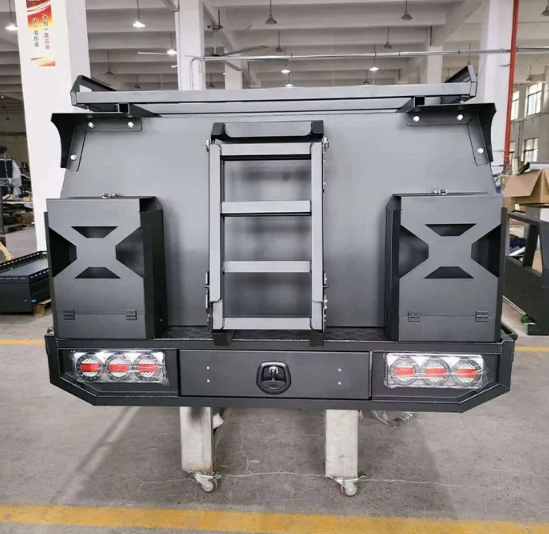
If you use your ute for camping or work related travel, you want to ensure your gear is as safe and secure as your protective canopy allows. With a quality ute canopy, you can protect your tools, keep your camping gear dry, and keep your supplies safe. Unfortunately, no canopy is perfect, and it is likely that dirt and moisture will seep in through the gaps to your gear, ruining your next adventure.
Weatherproofing your canopy is not a very difficult task as long as you are focused on the right things. The right preparation will help your canopy protect your gear against torrential rain, as well as against dusty off road trails.
Start with a quality canopy
The canopy itself is the starting point for any weatherproof configuration. A bad canopy will always have weak spots. Poor and cheap construction will always leave gaps that allow dust and moisture inside, thin seals will do nothing, and gaps around the doors will leave your canopy virtually unable to keep dirt and dust out. A quality ute canopy will provide you with a good starting point.
Aluminum canopies stand out because of their durability and weather resistance. When designed properly, aluminum canopies can withstand tough conditions and have precision construction to keep gaps as small as possible. Look for canopies with welded, not riveted, seams, because welded seams are less likely to develop leaks over time. On tough terrains, the flexing of your vehicle is accounted for by reinforced corner construction and flexible sealed edges, keeping the seal functional even with the vehicle’s movement.
Seal the doors properly
Sealing doors is as critical as sealing the rest of the canopy structure. Doors are the biggest potential entry point for water and dust. A poor seal around a door can let in enough dirt to cover everything inside after just one ride on a dirt road. In order to keep dust out, the seals around canopy doors must be functional and properly positioned.
Seal rubber should be flexible and not show any signs of cracks or brittleness. If a seal has a visible defect, address it first. Misaligned doors can create a gap that no seal can close. If the door is not even with the panel, it cannot compress the seal properly when closed. Adjust the hinges or the latch so that the door closes flush and compresses the seal evenly.
For canopies that will be put to use in particularly dusty environments, some owners opt for a second sealing layer by means of a self adhesive foam strip around the door frame, creating an additional barrier, particularly for the tailgate or rear door area, which typically incurs the greatest dust ingress.
Pay attention to the tailgate gap
The gap between the tailgate and the canopy can be a source of frustration. Even in the event that the canopy has been well fitted, there will likely be a gap at the lower tailgate and canopy meeting point. Dust ingress from the road can be problematic. Water can also be an issue.
One of the most valuable and straightforward modifications you can make is to fit a tailgate sealing kit. Most of these will come with a rubber sealing strip to be affixed to either the bottom of the canopy or the top of the tailgate. Upon closing the tailgate, the seal is compressed, preventing the ingress of dust and water.
Some kits also include seals for the corners to address the top corner gaps. For those who routinely travel along unsealed roads, this is a beneficial addition. The amount of dust inside the canopy will be significantly reduced.
Seal any openings and penetrations
Your ute canopy may have cut outs for wiring, roof racks, and other fittings or accessories. Each of these is a possible entry point. Water can run down wires and drip inside. Dust can find its way through gaps of barely a millimeter around fittings.
Walk around your canopy and check for fittings. Seal any gaps around bolts, screws, and cable entry points with silicone sealant or butyl tape. For wires, rubber grommets should be used where they pass through the wall of the canopy. If roof racks are fitted, check the mounting feet of the racks. Some racks have foam pads that sit and seal against the roof, but these can compress or deteriorate. A layer of sealant around the mounting feet provides added protection. If fridge slides or other accessories are fitted inside, check the mounting bolts and seal around the bolts to prevent water from seeping in from underneath. A small amount of sealant will suffice.
Use weather resistant storage inside
No canopy can be completely airtight, even with the best sealing. When doors are opened, moisture can enter, and internal temperature changes can cause condensation. Residual moisture can damage your gear, so use protective storage.
Use storage solutions that elevate your gear from the floor. Drawers, shelves, and platforms promote air circulation and protect gear from any standing water that might seep in. Sealed tubs and hard cases are recommended for added protection for sensitive gear, such as documents, cameras, or electronics.
If you carry a fridge, ensure that it is adequately vented. Heat is generated by fridges, and restricted airflow can cause condensation inside the canopy. Some canopies manage this with built in vents. If yours does not, consider adding a small vent that keeps dust and rain out.
Manage condensation
Many people are surprised by condensation issues. During the night, moisture in the air inside the canopy can condense on metal surfaces. This will most likely happen if you have slept in the canopy or have a running fridge inside. This moisture can cause drips on your gear, creating damp conditions.
Moisture will be trapped if a ute canopy is completely sealed, and condensation will occur. Small vents with dust filters permit air circulation without letting dust in. Some canopies have vents as standard. If your canopy does not have them, you can buy vent kits. Installing a vent on the roof or side panel makes a big difference.
For overnight trips, leaving a window slightly cracked can help, but only if the weather allows. A vent is the best option for moisture control, as it can be used in any weather.
Check the canopy to tray seal
The seal between the canopy and the tray can let in dust and water. Most arrangements have the canopy sitting above the tray or on a frame, with a foam or rubber seal in between. This seal can compress, shift, or deteriorate over time.
Inspect seals for gaps or wear, and replace if necessary. When tightening the canopy down, do it evenly. Overtightening in one spot can create gaps elsewhere. Consistent, even pressure is needed for the seal to work properly.
The seal can suffer damage if the canopy is removed and replaced often. Repeated lifting and lowering can damage the seals. Some owners apply a thin layer of silicone for more protection, though be careful it does not impede removal if the canopy is taken off regularly.
Conclusion
A properly sealed ute canopy protects your valuables and transforms them into something you do not have to worry about in terms of weather protection. It keeps your tools, camping equipment, and supplies clean and dry.
It all starts with the canopy itself. Make sure to choose one that is decent quality. Then focus on the areas that need improvement: door seals, the tailgate gap, any openings or penetrations, and the seal between the canopy and the tray. Manage condensation properly, which may mean adding some extra ventilation. Also consider storage that lifts your gear off the floor. Then test your work and maintain the seals to ensure they last.
When you have put in the effort and gotten it right, you will be able to rest easy without having to worry about the weather. Rain or shine, dusty or muddy, your valuables are protected and ready for anything. That peace of mind is definitely worth the effort.