
 EN
EN
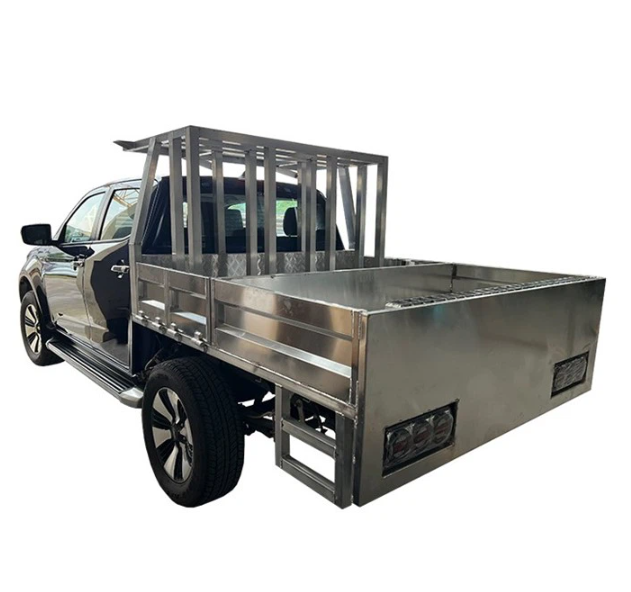
Establish a Preventive Maintenance Schedule for Your Service Body
Implementing a structured Preventive Maintenance (PM) schedule is critical for maximizing the lifespan and reliability of your service body. Proactive care prevents minor issues from escalating into costly failures, reducing downtime by up to 20% according to industry analyses.
Scheduled Inspections and Component Checks
Routine inspections form the backbone of effective PM. Technicians should perform visual and functional assessments of hinges, latches, lighting systems, and hydraulic components weekly. Documenting wear patterns, like corrosion on electrical connections or stress cracks near load-bearing joints, enables timely interventions. Prioritize these tasks using a frequency-based framework:
| Component | Inspection Frequency | Critical Checks |
|---|---|---|
| Structural Frame | Monthly | Welds, corrosion, deformation |
| Door Mechanisms | Bi-weekly | Hinge alignment, latch operation |
| Electrical Systems | Weekly | Wiring integrity, moisture ingress |
Integrating a comprehensive checklist ensures consistency; 88% of fleets report fewer failures after standardization.
Lubrication, Fastener Integrity, and Structural Joint Verification
Regular lubrication can stop about 40 percent of those annoying mechanical problems that pop up in service bodies over time. The rule of thumb? Apply some good quality temperature resistant grease to all those pivot points roughly every 500 miles or at least once a month. Don't forget those drawer slides and tailgate hinges either since they take a real beating. While doing this maintenance work, it's smart to check the tightness of all fasteners with proper calibration tools. Loose bolts just wear out joints faster than anyone wants. Looking after structural strength means checking weld seams and where cross members connect at least four times a year. Any tiny cracks should be fixed right away before they turn into bigger issues down the road. Keep applying torque regularly and use some corrosion protection stuff too. Most mechanics will tell you these simple steps can stretch out component lifespan anywhere between three to five extra years in most cases.
Optimize Loading, Storage, and Spatial Organization to Protect Service Body Integrity
Load Distribution Best Practices to Minimize Frame Stress and Fatigue
When weight isn't distributed properly across a vehicle, it really takes a toll on the frame over time and can lead to serious problems with the service body much sooner than expected. The best practice? Position heavier items as low as possible and right above the axle line to keep the chassis from twisting under stress. Balancing things out left to right matters too. If there's more than a 15% difference between sides, studies show this increases rollover chances by around 40%, according to NHTSA research from 2022. Always make sure everything gets secured using proper rated straps so nothing shifts around while moving. Those big generators or other heavy gear that aren't properly fastened can actually warp their mounting points in just a few months. Installing load bearing shelves and divider panels helps spread out the weight better, making sure no single area ends up carrying way more burden than others should.
Tool Placement Strategy: Balancing Accessibility, Weight Balance, and Service Body Wear
Where tools are placed makes all the difference for getting work done quickly and keeping things from falling apart. Put those tools we reach for every day right by the door where they're easy to grab. Save the big heavy stuff nobody touches much back against the wall of the cab so nothing gets too weighted in the back which can really mess with the hinges and strain the lifting mechanisms. We've found that rotating what's stored around every three months helps spread out the wear and tear on those shelf brackets. Don't cram too much into one section either because going over about 50 pounds per cubic foot starts putting pressure on the welds between parts. Those modular drawer setups with pull-out trays? They're great for making better use of space without creating hotspots of weight concentration across the bottom of the service area.
Integrate Service Body Care with Vehicle-Level Maintenance Routines
Synchronizing Service Body Inspections with Chassis Maintenance Intervals
Keeping up with service body maintenance alongside regular vehicle checkups saves time and money while stopping small issues from becoming big problems. During routine tasks like greasing the chassis or checking brakes, techs should also look at how well the service body hinges work, test those compartment seals for leaks, and inspect all the bolts holding everything together. Mechanics who combine these checks report cutting down on shop visits quite a bit over the year, plus catching things like cracks or rust spots before they become serious safety concerns. A good rule of thumb is to schedule service body inspections whenever getting an oil change or rotating tires makes sense logistically. This way workshops aren't constantly opening and closing doors just for one part of the job, and both the frame and body last longer without unexpected breakdowns.
Adopt Driver Behaviors That Extend Service Body Lifespan
Avoiding Overloading, Sudden Stops, and Rough-Terrain Impacts
What drivers do behind the wheel makes a big difference in how long service bodies last. When trucks carry more weight than they should, it puts extra strain on those critical joints where parts connect, which speeds up wear and tear on metals. Mechanics see this all the time, with repairs needed about 30% more often under these conditions. Hard stops send shockwaves through the truck's frame, gradually working loose those bolts and nuts that hold everything together. Driving over gravel roads or hitting deep potholes sends vibrations straight into the body structure itself. The good news? Simple changes matter. Going easy on the gas pedal, keeping proper distance from other vehicles, and planning routes to skip out on bad road sections can cut down overall wear significantly. Companies tracking their fleets have noticed service bodies lasting around 40% longer when drivers adopt these habits alongside regular checkups, something that keeps frames strong and gets more miles out of each vehicle.