
 EN
EN
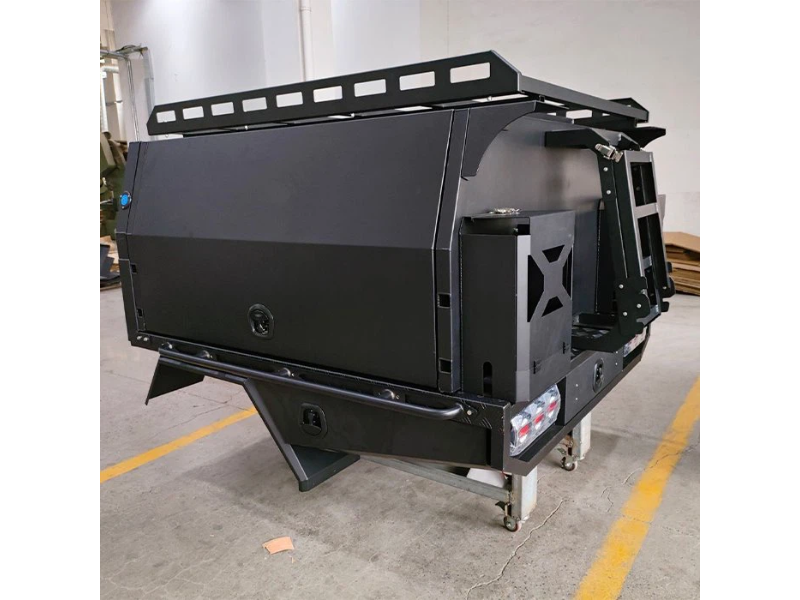
Why the Rear of Your Camping Canopy Is the Ideal Location for a Modular Kitchen
Spatial Efficiency and Weather Protection in Rear-Canopy Layouts
Putting the kitchen section toward the back end of the canopy frees up valuable space while keeping everything secure from blowing winds. The design basically turns the canopy into a protective enclosure for cooking activities, acting as both a wind barrier and protection from unexpected showers. Strong breezes get pushed aside rather than slamming into pots and pans, and rainwater flows off to the sides instead of pooling around food prep areas. Campers who place their cooking station away from the middle support poles actually find they have roughly 30 percent extra room to work with on the ground inside. Plus, that back wall becomes a great spot to attach all sorts of useful items without worrying about them falling over or getting damaged during rough weather conditions.
Ergonomic Workflow: Optimizing the Prep–Cook–Serve Triangle Within 6 Feet of the Canopy Edge
Creating a small prep-cook-serve triangle right near the edge of the kitchen canopy helps cut down on wasted steps and makes cooking much faster overall. Set up the stove, cutting board spot, and serving area close together in what feels like a natural working pattern, ideally keeping each side under four feet long. The layout actually works wonders for food safety too, since there's less chance of spreading germs around when everything is within reach. Plus, people get tired less quickly and spend about half as much time preparing meals compared to kitchens where stuff is all over the place. For commonly used things like spices and kitchen tools, store them somewhere easy to grab while moving between tasks. Hanging spice racks above counters or magnetic knife strips on walls keep essentials handy without creating clutter or safety hazards during busy cooking sessions.
Essential Modular Components for Seamless Integration with Camping Canopies
Compact, Multi-Function Kitchen Modules: Foldable Sinks, Portable Stoves, and Integrated Cooler-Tables
Good modular kitchen designs focus on getting two jobs done at once without cutting corners on quality. Take those foldable sinks with their collapsible basins and built-in water tanks. They take up way less space but still handle all the cleaning tasks properly. The portable butane stoves are pretty impressive too. They pack a solid 10,000 BTUs into something weighing less than five pounds, which means cooks can really dial in the heat they need. Then there are those cooler tables that have cold storage right next to solid prep areas. No more dragging around separate ice chests. When it comes to pots and pans, stackable systems fit right into these kitchen modules and cut down on mess compared to regular setups. Some people report cutting clutter by almost half when switching over. And let's not forget the quick connect fittings. Most folks can put everything together in under three minutes flat, no wrenches or screwdrivers needed. Just snap things into place and start cooking.
Awning-Compatible Mounting & Weather Management: Brackets, Tensioned Tarps, and Drip-Edge Design
Getting good mounting without damaging anything is really important for making sure things stay stable and can be used in different ways. The adjustable brackets for awnings grip standard canopy frames tightly, so there's no need to drill holes or make any permanent changes to the structure. These brackets hold up against pretty strong winds too, surviving gusts over 25 miles per hour. The tarps made from tensioned polyurethane are set at around 30 degrees angle which helps them push rainwater off instead of letting it collect. When combined with those little drip edge channels running around the edges of each module, this setup keeps water moving away from work areas and stops dirty runoff from spreading everywhere. Extra reinforced grommets plus those ventilation flaps across the top really boost how long everything lasts and manage moisture better. All these features together mean the system works reliably whether facing scorching desert conditions, humid coastal air, or sudden mountain downpours.
Smart Storage Strategies for Modular Camping Canopy Kitchens
Making good use of vertical space can turn even the tightest kitchen setup into something actually usable for cooking. Mounting racks on the ceiling above work areas keeps all those little things like utensils, spices, and collapsible pots within reach but out of the way of dust and dampness. Those drawers underneath counters that glide out smoothly? They're great for storing heavy pots and pantry items, plus they let cooks grab what they need with just one hand while working. When it comes to stuff that goes bad quickly, putting insulated coolers right inside base cabinets works wonders. Separate these from dry goods with some labeled bins stacked neatly on top of each other. People who tried this system reported spending way less time digging through stuff - around 70% less according to some folks at the Outdoor Industry Association. Fabric pockets made to resist water stick to the sides of overhead structures give easy access to knives, cutting boards, and cleaning materials. And don't forget about safety equipment! Fire extinguishers and first aid kits need their own special spots near exits where everyone can spot them instantly instead of hiding somewhere nobody thinks to look. With smart organization like this, every nook becomes part of the cooking process rather than wasted space.