
 EN
EN
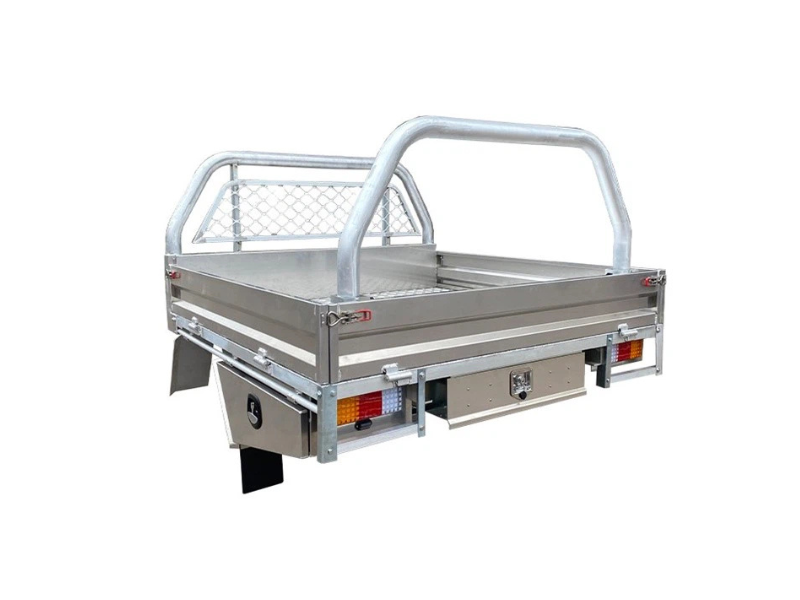
The Science Behind Aluminium’s Natural Resistance and Mild-Cleaning Compatibility
How Aluminium Oxide Passivation Protects Against Corrosion During Gentle Cleaning
What makes aluminium so durable? Well, it has this amazing self-repairing oxide layer (Al2O3) that starts forming as soon as the metal touches air. This tiny protective shield stops rust by keeping oxygen and dampness out. According to studies done by NASA on materials science, this natural coating cuts down corrosion speed to about 0.1 mm per year in salty conditions. That's roughly ten times better than regular steel without any protection. Want to keep this defence working? Just give it a gentle wash with some ordinary soap. Scrubbing too hard or using strong cleaning agents actually breaks the oxide layer apart. Water based cleaners work best because they don't damage the surface. Pretty cool fact: if there are small scratches and no dirt gets in them, the layer will fix itself over time. For people looking after aluminium trays on their utility vehicles, sticking with mild soaps really pays off in the long run.
Why Harsh Chemicals Disrupt Surface Integrity—Especially on Anodised or Mill-Finished Aluminium Ute Trays
Aluminium's natural protection gets destroyed when it comes into contact with strong acids or bases. The problem is even worse with chloride containing cleaners because they actually work their way through those anodized surfaces, leading to pits and cloudy spots over time. Mill finished trays don't have these extra protective layers at all, so their oxide coating stands right there unprotected. If aluminium sits in really acidic conditions below pH 4 or basic ones above pH 9, its protective layer breaks down quicker than it can rebuild itself, which leaves bare metal open to rust and general breakdown. Some industrial cleaning products eat away about 5 to 8 microns from the surface each year, while regular soaps that are neutral in pH barely take anything away. Textured or brushed surfaces show these chemical effects much more clearly since the scratches become more noticeable as the material degrades. Using plain water mixed with gentle soap helps keep that protective oxide layer intact and working properly.
A Proven, Damage-Free Cleaning Protocol for Aluminium Ute Trays
The Two-Bucket Method: Preventing Micro-Scratches on Sensitive Aluminium Ute Tray Surfaces
The two bucket method works wonders for keeping those aluminium ute trays looking good without scratches. Just grab two buckets one filled with some gentle soap solution and the other with plain clean water. When cleaning, wipe down a section with the soapy sponge first, then make sure to give it a proper rinse in the clean water bucket before going back for more soap. This simple step keeps gritty dirt from getting rubbed back into the metal surface. Mill finished or anodised aluminium is particularly sensitive stuff. Even tiny bits of dirt can leave lasting marks on these surfaces. Don't forget to switch out cleaning cloths regularly too they get dirty fast. People who stick with this method report their ute trays stay in much better condition over time. Some tests show around an 80 percent improvement in surface longevity when using two buckets instead of just one.
Rinse, Dry, Inspect: Best Practices to Maintain Finish Longevity on Aluminium Ute Trays
Finish off the cleaning process by thoroughly rinsing everything with low pressure water. Get rid of moisture fast with a microfiber cloth, moving in straight lines across the surface instead of going round and round which leaves spots behind. Watch out for calcium buildup too because it starts forming on wet aluminum within about fifteen minutes flat and weakens protection against rust. Run fingers over those hard to reach areas between panels and corners where grime tends to hang around. Keep track of small dents or fading paint every three months at least. Regular maintenance keeps that protective oxide coating intact on utility tray surfaces so they stand up better against weather wear and tear. Plus catching problems early means fewer expensive repairs down the road when things start falling apart.
Critical Mistakes That Compromise Mild Soap Cleaning Effectiveness
Abrasive Tools, Dirty Microfibre Cloths, and Contaminated Buckets: Silent Threats to Aluminium Ute Tray Finish
Steel wool and those tough bristle brushes leave tiny scratches behind on aluminium ute trays, which lets air get at the bare metal underneath and starts the rust process. Microfibre cloths that aren't properly cleaned end up dragging grit across the surface like sandpaper would, creating those annoying swirl marks especially noticeable on polished or anodized aluminium finishes. When people forget to change their rinse water regularly, all the dirt just gets wiped back onto what they thought was clean, making them scrub again and again until the finish wears down completely. Studies indicate that using wrong cleaning gear can make surfaces deteriorate around 40 percent faster than when handled gently. Stick to soft cloths and keep separate buckets for soapy water versus rinsing. The rinse bucket needs fresh water most of the time too. Taking these basic steps will actually save money in the long run because it keeps those expensive aluminium trays looking good for years longer.
Long-Term Benefits: How Consistent Mild-Detergent Cleaning Extends Aluminium Ute Tray Lifespan
Using water and mild detergent for cleaning actually helps protect the structural integrity of aluminium ute trays for many years. Studies show that surfaces cleaned this way last around 60% longer than those treated with harsh chemicals. Why? Because these gentle methods stop those tiny scratches from forming that eventually lead to corrosion problems. The protective coatings on the tray stay intact too, whether it's been anodized or just has the standard factory finish. Money wise, people who stick to this low pH cleaning routine save about $740 each year simply because they don't have to replace their trays so often. And there's more to it than just saving cash. When the surface stays in good condition, the tray can handle heavy loads properly without issues. Plus, proper maintenance keeps warranties valid since most manufacturers won't honor claims if the owner used improper cleaning products.
Table of Contents
- The Science Behind Aluminium’s Natural Resistance and Mild-Cleaning Compatibility
- A Proven, Damage-Free Cleaning Protocol for Aluminium Ute Trays
- Critical Mistakes That Compromise Mild Soap Cleaning Effectiveness
- Long-Term Benefits: How Consistent Mild-Detergent Cleaning Extends Aluminium Ute Tray Lifespan