
 EN
EN
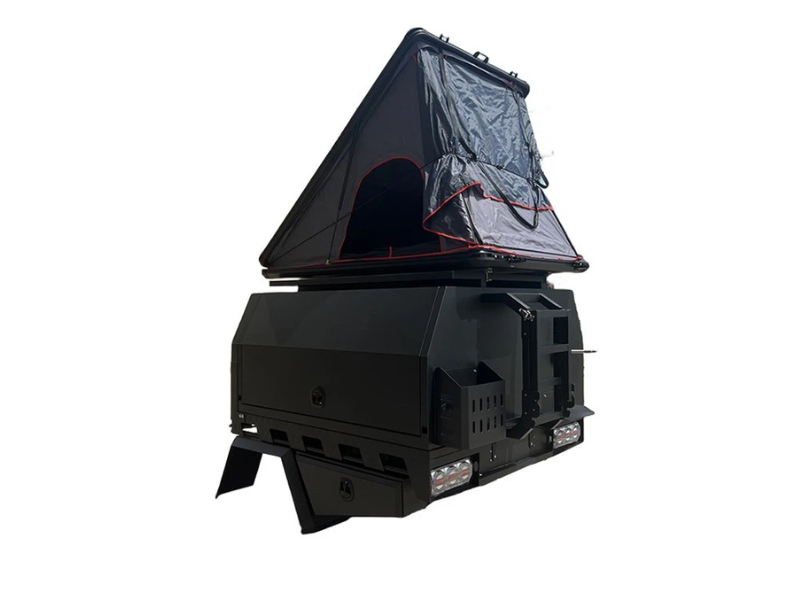
Why Aluminium Canopy Performance Degrades Without Regular Cleaning
Environmental contaminants impair thermal reflectivity and structural integrity
Over time, dust, pollen, and all sorts of industrial pollutants build up on aluminum canopies, creating an insulating film that cuts down on how much sunlight gets reflected away. Tests have shown this coating can lower reflectance rates by around 15 percent. What happens next? The structure absorbs more heat, which puts extra thermal strain on everything. When moisture gets trapped under all that dirt, it starts causing galvanic corrosion problems, particularly noticeable at metal joints where different materials meet, such as those steel fasteners commonly used. Meanwhile, the weight of accumulated grime continues to put pressure on support brackets and weld points, eventually leading to potential warping issues or complete joint failures if not fixed. If nobody takes care of these problems, what we end up with is a downward spiral that steadily chips away at both the building's energy performance and its overall structural soundness over months and years.
Acidic, saline, and alkaline deposits accelerate oxide layer breakdown and micro-pitting
Aluminum gets its protection against rust from a special oxide layer that can repair itself to some extent. But this protective coating doesn't stand a chance against things like bird droppings (which are actually pretty acidic), salty air near coastlines, or those harsh alkaline substances we find around industrial areas. Salt contains chloride ions that sneak into tiny cracks in the oxide film and start creating little electrochemical reactions down below the surface. In really bad conditions, these pits can grow faster than 0.1 mm each year. What happens next? Those small pits become points where stress builds up, making cracks spread quicker when winds hit the structure. Meanwhile, sulfur compounds from factories mix with rainwater to create nasty sulfuric acid. Cement residue left behind after construction work also eats away at the oxide layer over time. All these different chemical attacks wear down the metal surface until it's just not thick enough anymore to do its job properly.
Optimal Cleaning Schedule and Triggers for Aluminium Canopy Maintenance
Seasonal and environmental triggers: Pollen, monsoon residue, and coastal salt exposure
The environment plays a major role in how often surfaces need cleaning. During springtime, all that pollen builds up and can cut down on surface reflectivity by about 40 percent. Then there's the mess left behind after monsoons, which creates those acidic films that actually start eating away at the protective oxide layer over time. For equipment installed near coastlines, corrosion becomes a big problem. Salt deposits really accelerate pitting corrosion rates, making them around five times worse than what we see inland according to some research from 2024 mentioned in an Aluminium Association report. So when planning maintenance schedules, it makes sense to factor in these environmental realities rather than sticking to fixed intervals regardless of location specifics.
| Trigger | Risk Period | Recommended Action |
|---|---|---|
| Pollen | Spring | Post-bloom cleaning |
| Monsoon Residue | Post-rainy season | Acid-neutralizing wash |
| Coastal Salt | Year-round | Monthly rinsing + quarterly deep clean |
Balancing fixed-interval cleaning (e.g., quarterly) with condition-based assessment
While quarterly cleaning serves as a reliable baseline for most urban and suburban environments, effective maintenance combines scheduled routines with visual condition checks. Inspect for:
- Chalky residues, indicating oxide layer degradation
- Loss of water beading, signalling coating breakdown
- Localized discoloration or dullness, early evidence of pitting
Coastal and industrial zones typically require monthly interventions; rural installations may extend safely to six-month cycles. A hybrid approach—fixed intervals as foundational protection, supplemented by condition-triggered cleaning when environmental stressors exceed thresholds—optimises longevity without over-maintaining.
Safe, Effective Cleaning Techniques for Aluminium Canopy Surfaces
pH-neutral, chloride-free detergents compliant with ISO 8501-1 standards
Strong cleaning agents can actually harm aluminum's natural protective coating and speed up rusting problems. Stick to cleaners that are pH balanced between 6 and 8, free from chlorides, and meet ISO 8501-1 standards if possible. Citrus based cleaners that have been watered down work well, so do car wash shampoos or specially formulated aluminum cleaners found at hardware stores. Recent studies in metal science show that acidic or strongly basic cleaners boost pitting corrosion by around 27% compared to those with neutral pH levels. Before applying any cleaner across the whole surface, it's wise to try it out first on a small hidden spot where nobody will notice if something goes wrong.
Low-pressure rinsing (<50 bar), directional flow, and moisture-free drying protocols
Rinse systematically using downward, low-pressure flow (<50 bar) to avoid forcing water into seams—where it can trigger galvanic corrosion. After rinsing:
- Wipe joints and crevices with lint-free microfiber cloths
- Clear drainage channels with compressed air
- Allow complete evaporation before reassembly or covering
Per NACE International’s 2023 corrosion mitigation guidelines, trapped moisture elevates corrosion risk by 40% in coastal environments. Thorough, moisture-free drying preserves powder coatings and prevents electrochemical degradation at critical interfaces.