
 EN
EN
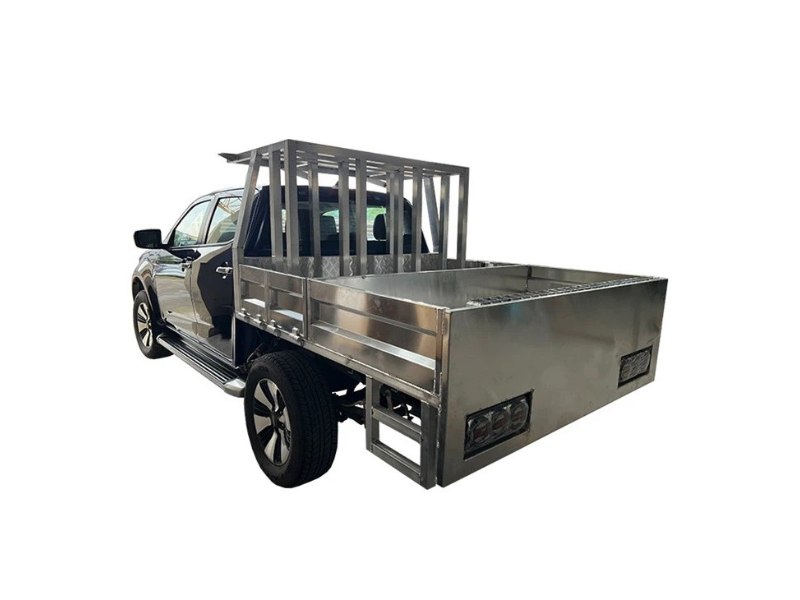
Why Generic Service Truck Bodies Create Hidden Inefficiencies
The Time Tax: Field Technicians Lose 12–18 Minutes Daily Searching for Tools in Non-Optimized Layouts
Techs working out of standard service trucks often waste a ton of time because their tools are stored all wrong. Most days, mechanics end up spending somewhere between twelve and eighteen minutes just digging through the truck to find what they need. Multiply that by every day on the job and we're talking over sixty hours lost each year for every technician. The problem comes down to how everything gets tossed in there without any real system. Wrenches next to computer diagnostic tools? No wonder folks have to grab things twice. Repair crews get really frustrated when their truck isn't organized properly, especially during those rush jobs where every minute counts. That's why custom setups make such a difference. When tools are arranged according to actual work patterns, technicians can grab what they need right away instead of wasting precious time searching through a mess.
Lean Workflow Gaps: How Fixed Storage Conflicts with Trade-Specific Task Sequencing
When fixed shelving gets in the way, it really messes up how different trades work their jobs. Electricians who follow those NEC troubleshooting steps need their circuit testers right there before they grab conduit tools. Meanwhile, HVAC guys want refrigerant gauges close to their evacuation pumps. These rigid storage setups make workers do all sorts of dumb things, like having to walk from the cab to the tailgate while trying to figure out what's wrong with equipment. That kind of backtracking adds extra steps nobody wants. And let's face it, these inefficiencies go against everything lean manufacturing stands for. Studies show that wasted movement alone can eat up around 30% of the time spent on tasks. Modular storage solutions fix this problem because they actually match up with how each job needs to be done step by step.
Modular Upfitting: The Scalable Path to Job-Optimized Service Truck Bodies
Static truck layouts force technicians into inefficient workflows. Modular upfitting breaks this constraint through three key reconfigurable systems:
- Slot-track panels enable vertical and horizontal repositioning of shelves for pipe cutters or refrigerant gauges.
- Slide-rails with auto-locking mechanisms secure testers and meters during transit while allowing single-motion access.
- Tool-specific locking cradles prevent saws or diagnostic laptops from shifting during sudden stops.
Reconfigurable Systems: Slot-Track, Slide-Rail, and Tool-Locking Solutions for Plumbing, Electrical, and HVAC
Plumbers reconfigure slot-track compartments seasonally—prioritizing pipe-threaders in winter and drain-clearing tools in summer. Electricians use slide-rails to organize circuit-testers by voltage range, halving equipment retrieval time. HVAC teams standardize locking cradles for manifold gauges across fleets, ensuring identical tool placement in every vehicle.
Data Insight: 68% of Midsize Fleets Now Prioritize Modular Service Truck Bodies (2023 FleetUpfit Report)
The industry is clearly on board with this method. About 70 percent of mid-sized fleets, those with between 100 and 500 trucks, have started making modularity their top priority when outfitting vehicles these days. Why? The numbers speak for themselves really. Companies that switched to these adaptable systems saw roughly 22% fewer hours lost when switching between different tasks compared to traditional fixed body setups. And it's not just about saving time either. When workers could tweak their workflows to match changing needs, they completed around 15% more jobs each day based on field reports from several companies across different sectors last year.
Proven Efficiency Gains from Trade-Specific Service Truck Body Designs
HVAC Case Study: 37% Faster On-Site Setup After Ductwork & Refrigerant-Optimized Upfitting
HVAC techs save a ton of time when they have service trucks built specifically for their trade needs. One major company completely overhauled their fleet last year by adding special racks for duct materials and secure spots for refrigerant cylinders. Their on-site setup times shot up by around 37% after these changes. Before this, workers were losing somewhere between 8 and 12 minutes every job just hunting down parts scattered throughout regular storage areas. Now everything needed for sealing ducts, cutting sheet metal, and checking refrigerant levels is organized in order of use across different sections of the truck bed. This means no more running back and forth inside the cab while working on installations, which matters a lot when dealing with those sensitive refrigerants that can spoil if not handled right away. Tests run in controlled environments indicate coil installations take about 19% less time now thanks to how tools are positioned within easy reach at waist level to shoulder height. Less bending and stretching makes all the difference when doing the same motions repeatedly overhead for hours on end.
Electrical Contractors: 22% Reduction in Troubleshooting Cycle Time with Dedicated Circuit-Testing Zones
Electricians have noticed around a 22% drop in their troubleshooting time since they started using service trucks equipped with special voltage testing areas. These workspaces come complete with spots for multimeters, GFCI testers, and tools to trace circuits all right there near the back service door where techs usually stand. Imagine trying to fix an outage and suddenly needing a tester from somewhere else in the truck. Before these changes, folks were wasting about seven minutes per job just digging through those confusing unlabeled tool boxes. Now everything has its place. The trucks feature magnetic boards for keeping schematics handy and sliding trays that hold thermal imagers ready for use in proper sequence during tests. According to the latest data from the 2023 Electrical Contractor Benchmark report, companies saw training times for new employees shrink by roughly 34% thanks to these standardized setups across all their vehicles.