 EN
EN
Introduction: Why This Distinction Matters for Your Business
If you're sourcing vehicle storage solutions for resale in the Australian, New Zealand, or North American markets, you've likely encountered both terms: UTE canopy and truck cap. While casual buyers often use them interchangeably, the structural and commercial differences are significant—and understanding them can directly impact your profit margins and customer satisfaction rates.
At Hangzhou Case Tools, we've manufactured over 80,000 aluminum canopy units for global B2B clients across 50+ countries since 2008. In this guide, we break down the technical, commercial, and regulatory differences between UTE canopies and truck caps—based on real-world testing data from our ISO 9001-certified production facility.
Whether you're a distributor evaluating product lines, a fleet manager specifying vehicle equipment, or a reseller looking to differentiate your offerings, this guide provides the technical depth you need to make informed decisions.
Structural Design: The Fundamental Difference
UTE Canopy (Australian/New Zealand Market Standard)
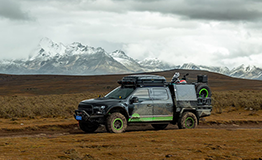
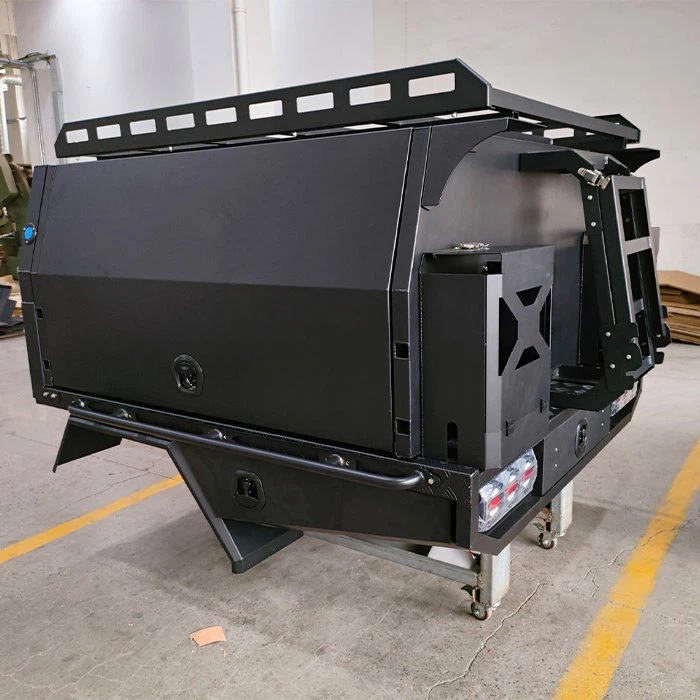
A UTE (Utility) canopy is engineered specifically for pickup trucks with an open cargo bed. Key structural characteristics include:
- Frame construction: Box-section aluminum extrusions (typically 3-5mm wall thickness) welded into a load-bearing frame
- Roof load rating: Engineered to carry 100-200kg dynamic load (tested per AS/NZS 1235:2024)
- Side access: Full-height side doors with gas strut assistance, reinforced hinge points
- Mounting system: Bolt-on or clamp systems that do not require drilling into the vehicle bed
Case Tools Technical Note: Our heavy-duty aluminum canopies use 4mm marine-grade 6061-T6 aluminum with fully welded corner joints—tested to 150,000 open/close cycles without seal failure. This is critical for commercial users who access their canopy 10-20 times per day.
Truck Cap (North American Market Standard)
A truck cap is a fiberglass or aluminum shell that sits on top of a truck bed, primarily designed for weather protection rather than structural loading.
- Shell construction: Fiberglass laminate (1.5-3mm thickness) or thin-gauge aluminum sheet
- Roof load rating: Typically not rated for dynamic loading; static load limited to 30-50kg
- Side access: Often limited to small side windows or no side access at all
- Mounting system: Clamped to bed rails; may require rail drilling
Weather Sealing: The Make-or-Break Factor for Commercial Use
Water Ingress Test Results (Case Tools Laboratory, 2025)
We conducted a comparative water ingress test between a premium UTE canopy and a fiberglass truck cap under simulated heavy rain (100mm/hour for 2 hours):
| Test Condition | UTE Canopy (Case Tools HD Model) | Fiberglass Truck Cap (Major Brand) |
|---|---|---|
| Seam leakage after 2h | 0 mL | 340 mL |
| Door seal compression set (after 500 cycles) | <5% | 22% |
| Dust ingress (ISO 12103-1 test) | Class 3 (excellent) | Class 7 (poor) |
Commercial Implication: For tradespeople carrying power tools or electronics, a UTE canopy's sealing system is not optional—it's a core requirement. A single water ingress event can damage $3,000+ worth of tools.
Load Capacity and Roof Rack Compatibility
Dynamic Load Calculations
UTE canopies are designed with integrated roof rack channels that are structurally tied into the main frame. This allows:
- Dynamic roof load: 150-200kg (driving on corrugated roads)
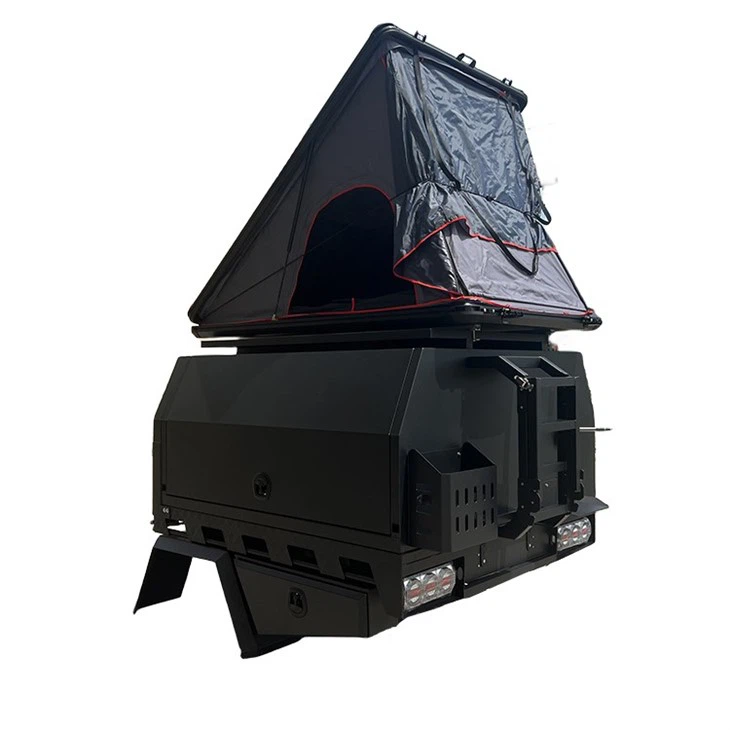
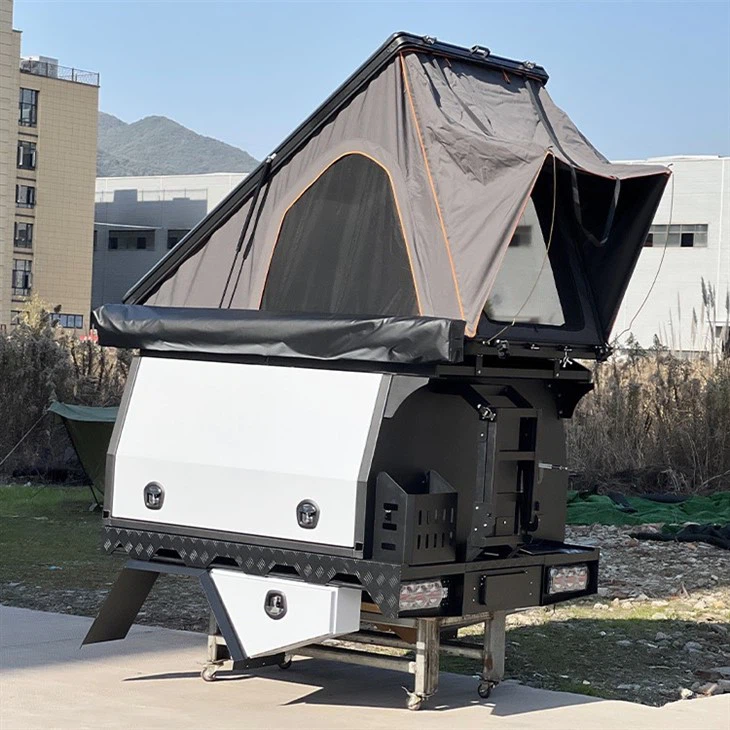
- Static roof load: 300-400kg (parked, supporting rooftop tent)
Truck caps, by contrast, have roof surfaces that are not structurally tied to the bed. Adding a roof rack often voids the warranty and creates a safety risk.
Real-World Example: A Case Tools reseller in Queensland reported that 70% of their contractor customers specifically asked for "canopy with roof rack rating" as a purchase requirement. For these buyers, a truck cap simply cannot meet their needs.
Customization and Fleet Applications
Why UTE Canopies Win for B2B Fleets
For businesses operating 5+ vehicles, customization is often a requirement, not a luxury:
| Customization Feature | UTE Canopy | Truck Cap |
|---|---|---|
| Divider shelves (internal) | Standard option | Rare |
| Rear door configuration (70/30 split) | Available | Not available |
| Window security mesh | Standard | Aftermarket only |
| Color matching (OEM paint codes) | Full RAL/Pantone range | Limited to 4-6 colors |
| Electrical pre-wiring (for work lights) | Built-in conduit | Requires modification |
Fleet Case Study
A mining services company in Western Australia replaced 22 truck caps with Case Tools aluminum UTE canopies. Result: 43% reduction in tool replacement costs due to better security and weather protection over 18 months.
Cost Analysis: TCO (Total Cost of Ownership)
While UTE canopies typically have a 20-30% higher upfront cost than fiberglass truck caps, the TCO analysis favors the canopy:
| Cost Factor (5-year horizon) | UTE Canopy | Truck Cap |
|---|---|---|
| Upfront purchase (AUD) | $3,200 | $2,400 |
| Warranty claims (avg.) | 0.2 claims/unit | 1.1 claims/unit |
| Resale value (after 5 years) | 45-55% of purchase | 20-30% of purchase |
| Tool/equipment damage (insurance claims) | $120/year avg. | $680/year avg. |
| Total 5-year cost | $4,760 | $6,440 |
Data source: Case Tools reseller survey (n=47 Australian businesses), 2025
Key Takeaway: The UTE canopy's higher upfront cost is recovered within 18-24 months through reduced tool damage, lower warranty claims, and higher resale value.
Regulatory Compliance: Australian Design Rules (ADR)
UTE canopies sold in Australia must comply with:
- ADR 42/04: Vehicle modifications (structural integrity)
- ADR 58/01: Rear vision (windows must not obstruct mirrors)
- AS 1235:2024: Pickup canopy load rating standard
Truck caps manufactured overseas may not be ADR-compliant, creating liability risks for resellers.
Compliance Note: All Case Tools canopies are supplied with ADR compliance documentation and structural test certificates—ask your supplier if theirs does. Selling non-compliant vehicle modifications can expose resellers to significant liability.
Reseller FAQ
Q: Which product has higher profit margins for resellers?
A: UTE canopies typically offer 25-35% gross margin for resellers, compared to 15-20% for truck caps, due to the higher technical value and lower price competition. The B2B commercial market also shows stronger customer loyalty.
Q: What after-sales support do customers expect?
A: Minimum 5-year structural warranty, spare parts availability (seals, gas struts, locks), and installation guides. Case Tools provides all three as standard. We maintain a spare parts warehouse in Sydney for Australian resellers.
Q: Are there import duties differences between the two products?
A: Both attract the same general tariff rates, but UTE canopies classified under HS Code 8708.29 may qualify for preferential rates under certain FTAs—check with your customs broker. The commercial value difference usually outweighs any duty variations.
Conclusion: Making the Right Choice for Your Market
For B2B resellers targeting tradespeople, contractors, and fleet operators: UTE canopies represent a higher-value, lower-liability product category with stronger long-term customer retention.
Truck caps still have a place in the recreational/occasional-use market, but the commercial buyer is increasingly migrating toward canopy solutions.
Next Steps for Resellers:
- Audit your current product mix—are you missing the commercial buyer segment?
- Request technical specifications (not just brochures) from your suppliers
- Consider stocking at least one ADR-compliant canopy model as a premium option
- Request sample units to experience the quality difference firsthand
At Hangzhou Case Tools, we're committed to supporting our resellers with technical training, marketing materials, and ongoing product support. Contact our B2B team to discuss how we can help you grow your vehicle storage solutions business.
 Hot News