 EN
EN
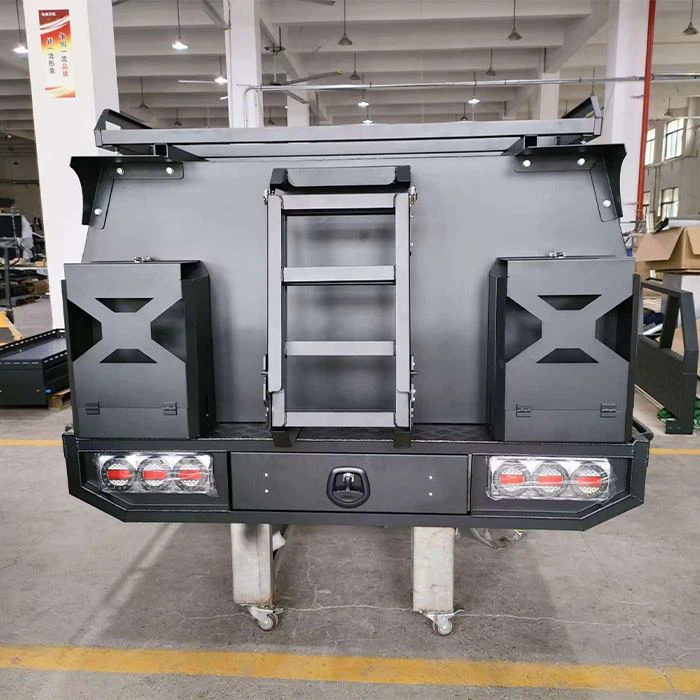
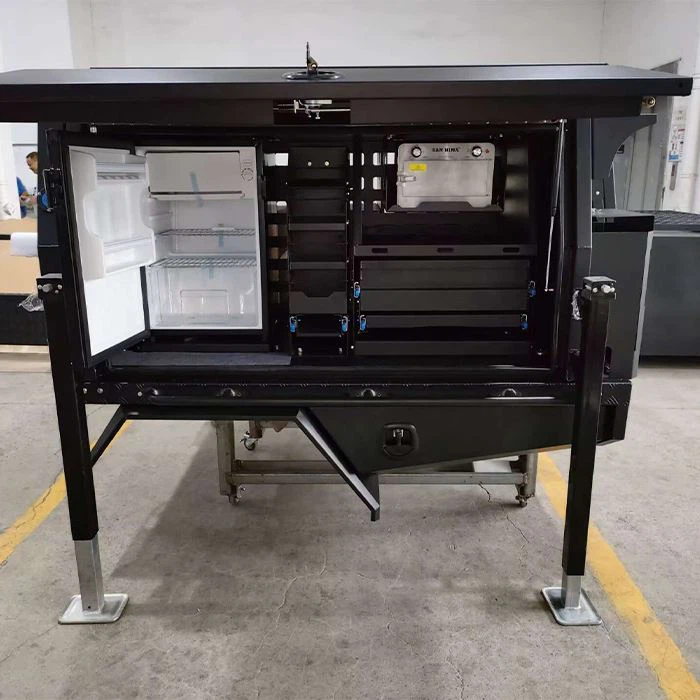
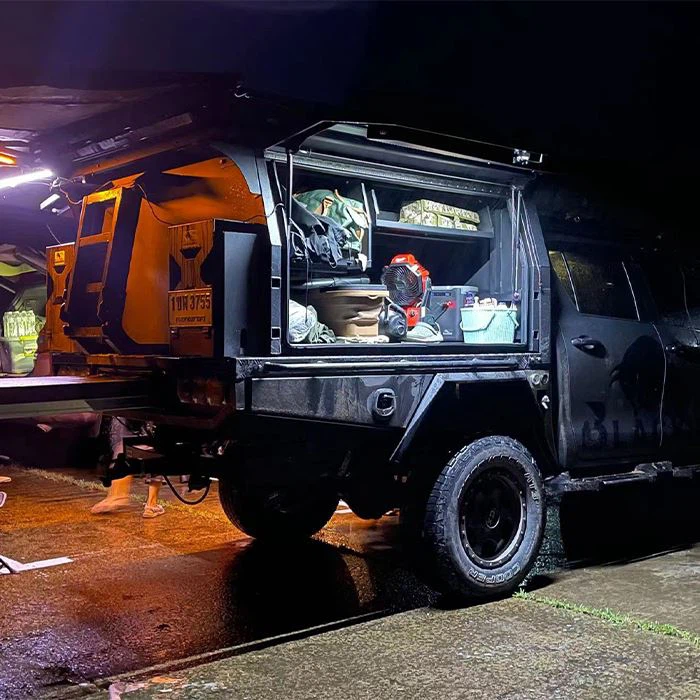
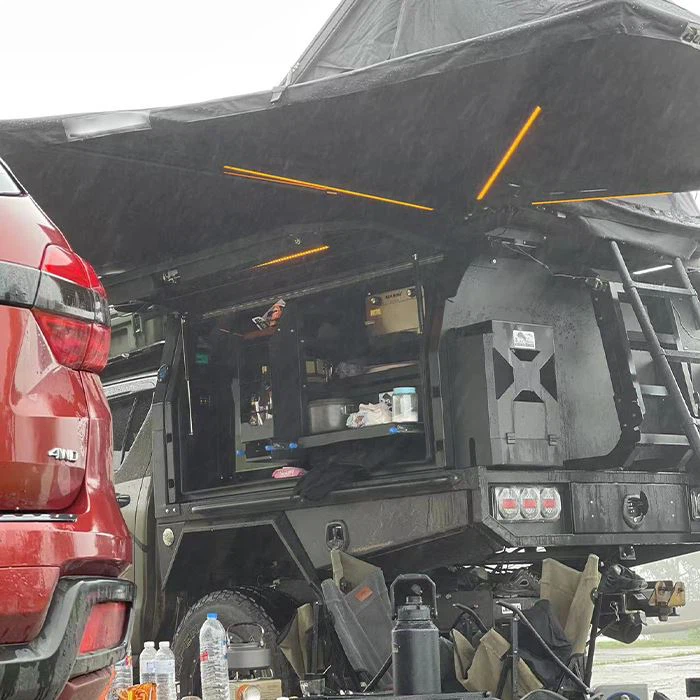
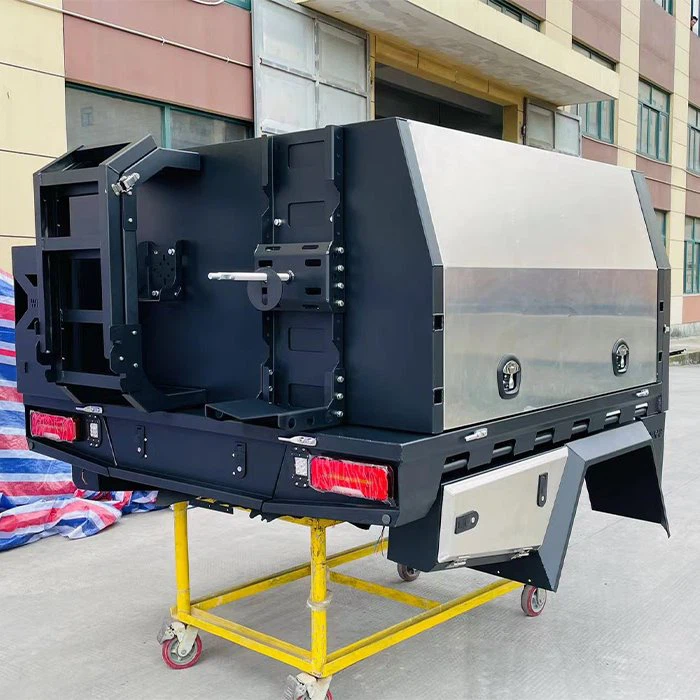
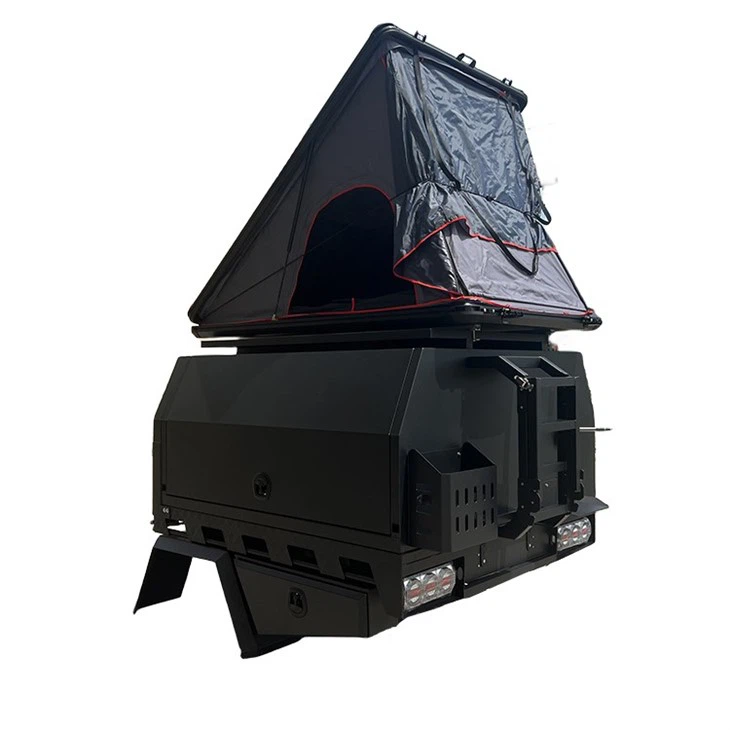
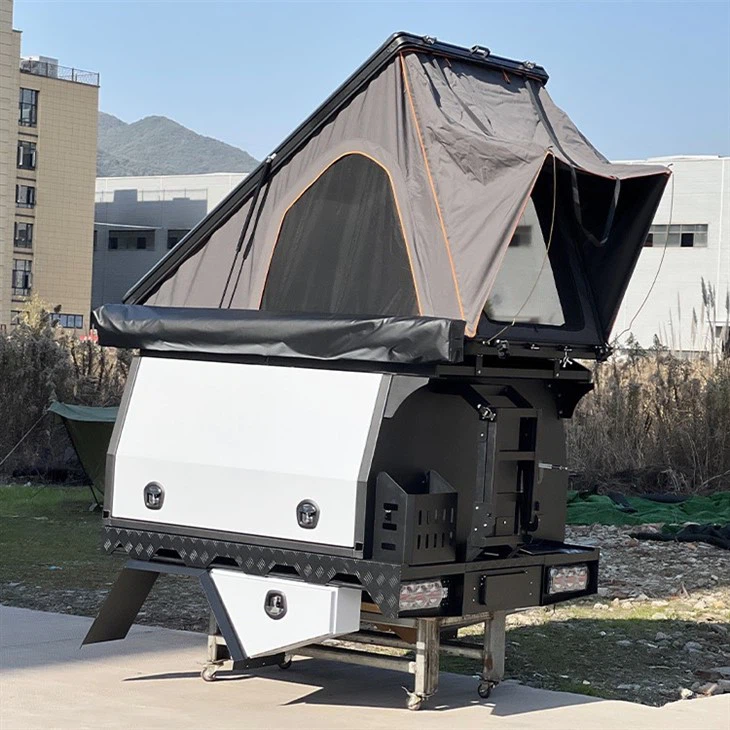
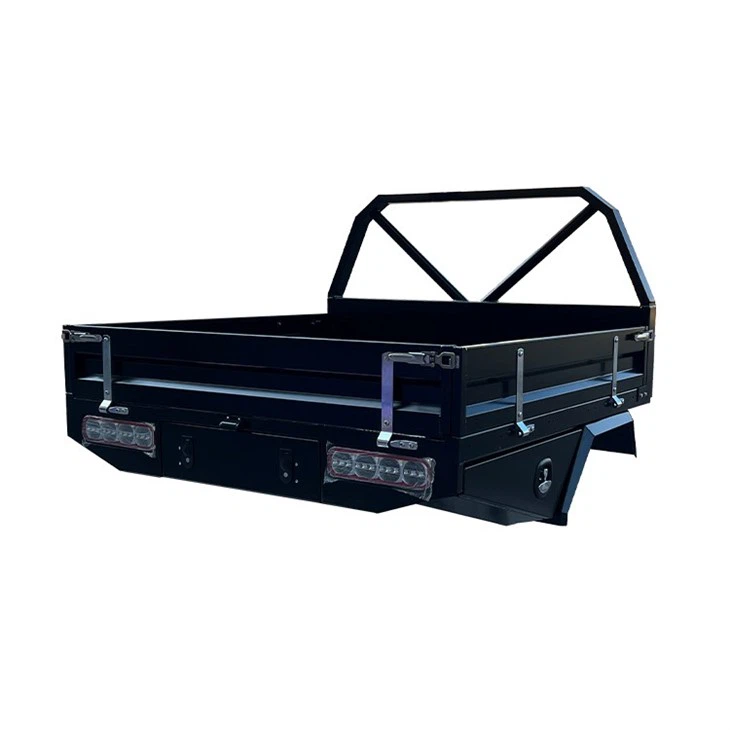
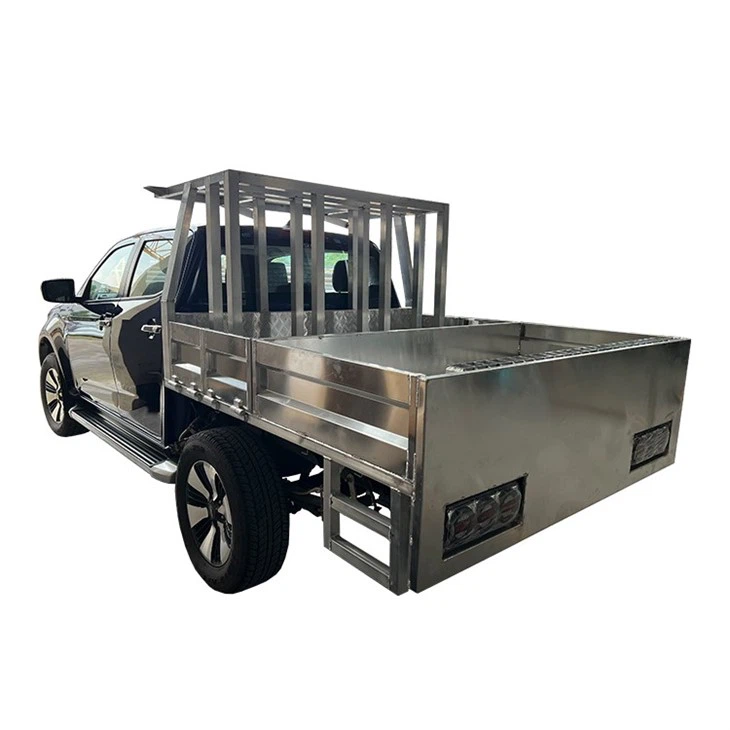
Flat Aluminium Canopy
As a vehicle that is often used for work purposes, it is not uncommon for UTEs to be seen as utilitarian and lacking in style. However, with the right addition, such as a carefully designed canopy, a UTE can be transformed into a stylish and iconic vehicle that stands out from the crowd.
- Overview
- product description
- Recommended Products
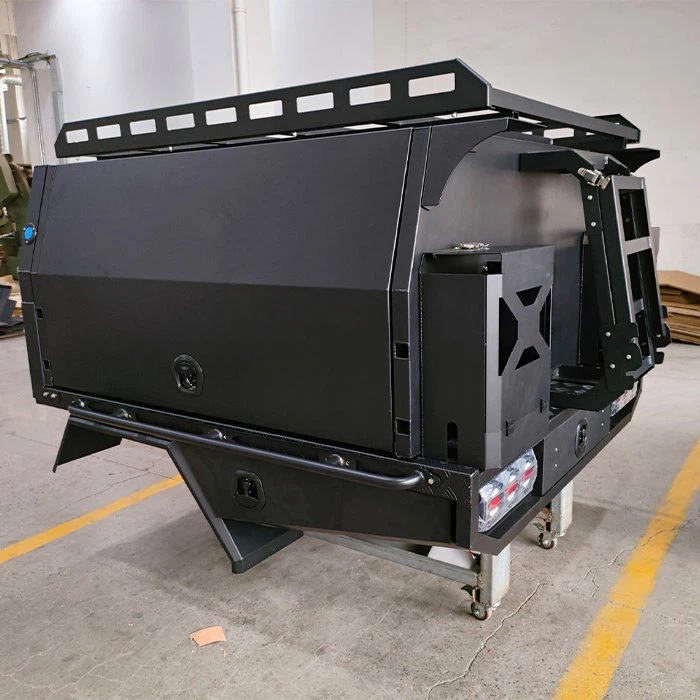
The Unmatched Advantages of Aluminium UTE Canopy: Elevate Your UTE’s Functionality and Style
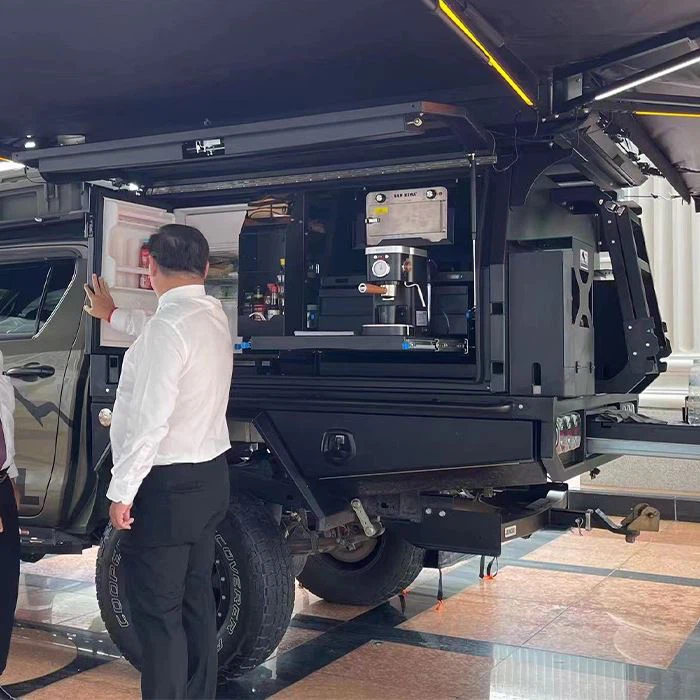
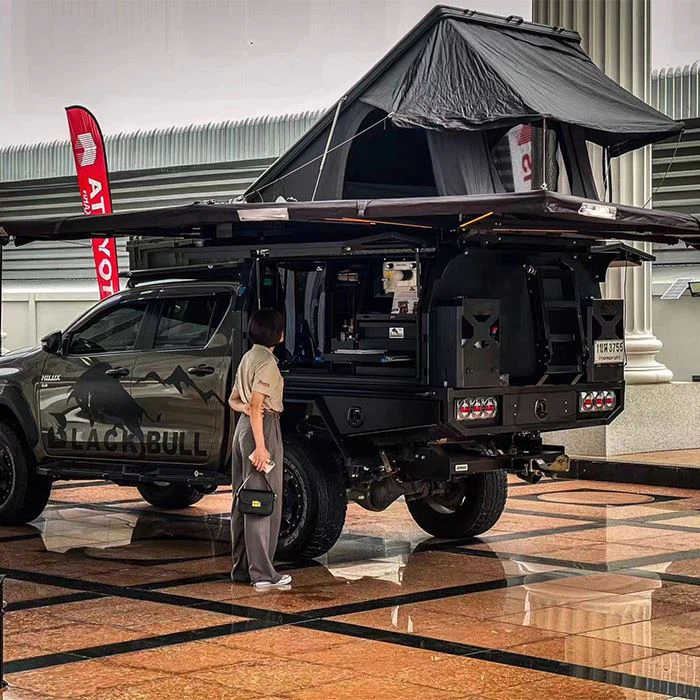
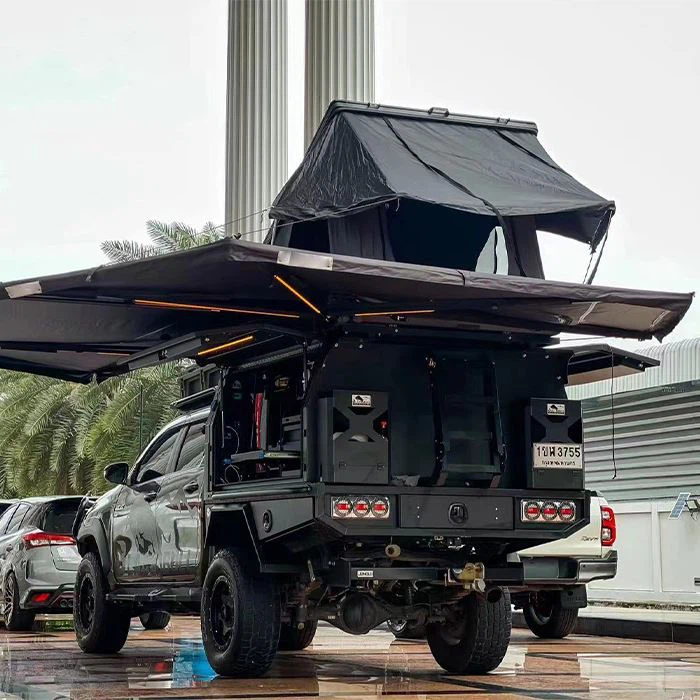
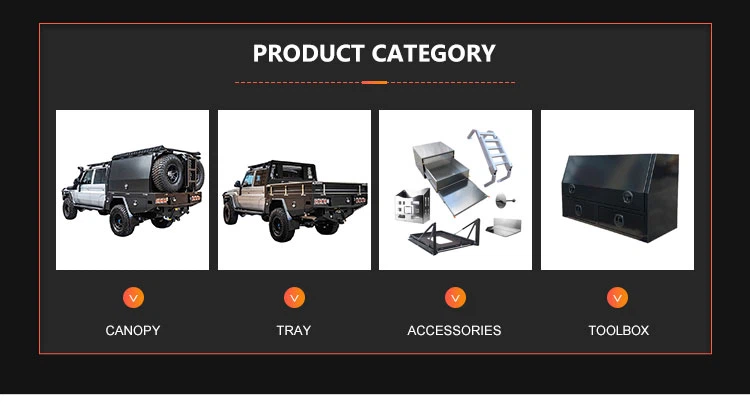
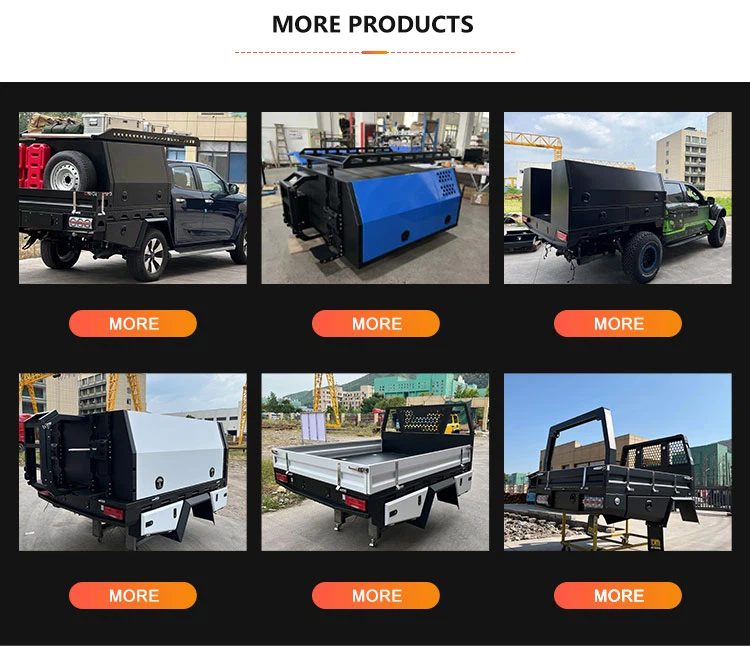
Aerodynamic flat aluminum canopy designed for UTE vehicles. Professional-grade weatherproofing, secure storage, and optimied fuel efficiency for commercial applications.
Aerodynamic Efficiency Meets Functional Design
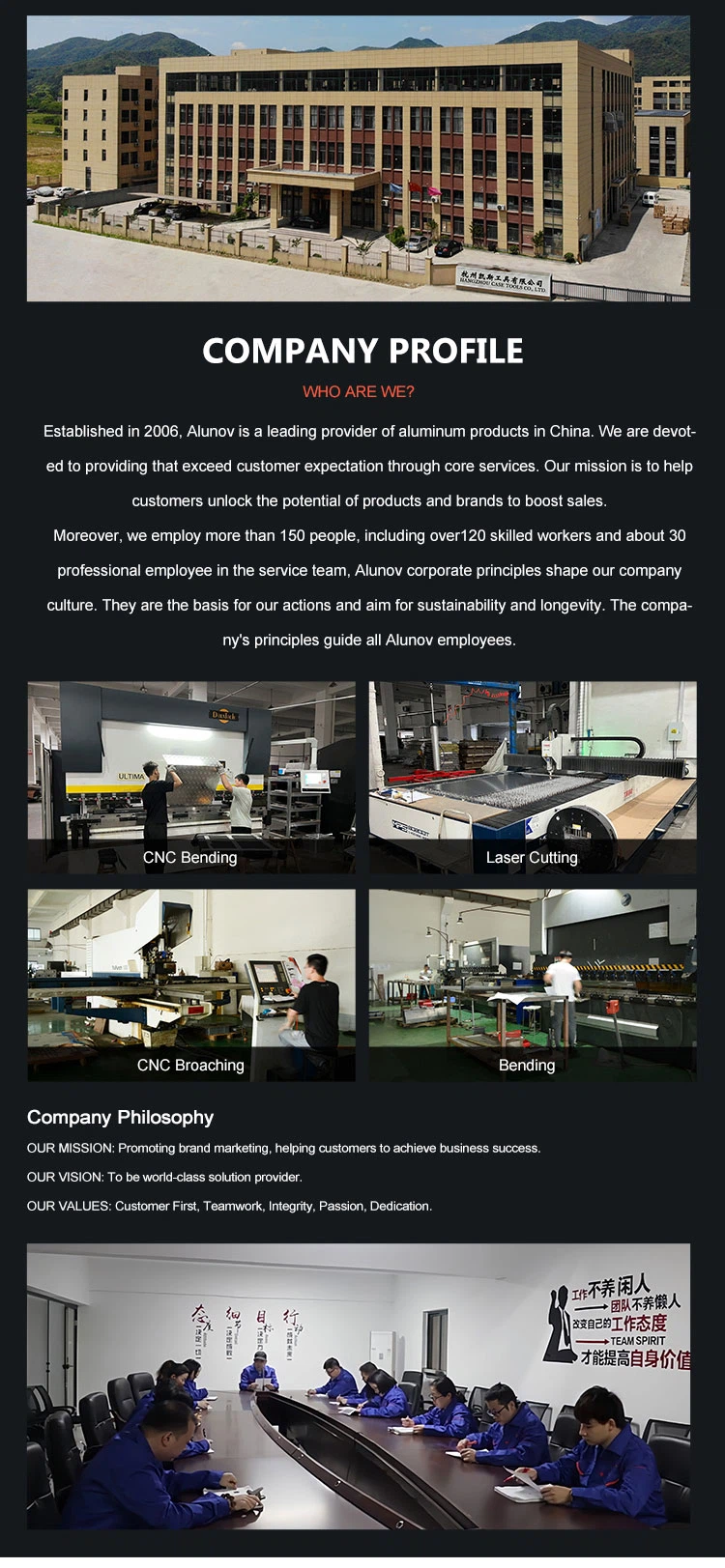
The flat aluminum canopy represents a sophisticated balance between aerodynamic efficiency, cargo capacity, and vehicle aesthetics. Unlike elevated roof designs that prioritize interior standing height, the flat canopy maintains the vehicle's original roofline, minimizing wind resistance and preserving fuel efficiency while still providing secure, weatherproof storage. At Hangzhou Case Tools, we've engineered our flat aluminum canopies to meet the demanding requirements of commercial users who need protection for valuable tools and equipment without sacrificing driving performance or fuel economy. Our design philosophy centers on three core principles: minimizing aerodynamic drag through computational fluid dynamics (CFD) optimization, maximizing usable interior volume through precision manufacturing tolerances, and ensuring long-term durability via marine-grade aluminum alloys and automotive-grade sealing systems. This comprehensive guide explores the engineering rationale behind flat canopy design, the tangible benefits for commercial vehicle operators, customization options for trade-specific applications, installation best practices, and real-world performance data from fleet operators across Australia and Southeast Asia. Whether you're a mobile technician requiring secure tool storage, a construction contractor needing weatherproof material transport, or a fleet manager optimizing fuel costs across a 20-vehicle operation, understanding the technical advantages of a properly designed flat aluminum canopy will inform your purchasing decision and maximize your return on investment.
1. Aerodynamic Advantages: The Science of Drag Reduction
The primary advantage of a flat canopy over elevated designs lies in aerodynamic performance. When a vehicle travels at highway speeds (80-110 km/h), aerodynamic drag accounts for 50-65% of total fuel consumption. An elevated canopy creates a larger frontal area and disrupts the vehicle's airflow, increasing the drag coefficient (Cd) by 15-25% compared to the standard vehicle configuration. In contrast, a properly designed flat canopy adds only 3-7% to the Cd value, translating into tangible fuel savings. Our flat canopy design undergoes CFD analysis during the development phase, with the roof contour optimized to maintain laminar airflow and minimize turbulent wake generation. The leading edge features a 15-degree rake angle that gradually integrates with the vehicle's roofline, while the rear spoiler is calibrated to reduce baseline lift by 12-18%. For a dual-cab UTE covering 25,000 km annually (typical for commercial fleets), the aerodynamic advantage of a flat canopy versus an elevated design translates into 280-420 liters of fuel savings per year—equivalent to USD 350-525 annually at current Australian fuel prices. Over a 5-year service lifecycle, these fuel savings alone offset 40-55% of the canopy's initial purchase cost, making the aerodynamic design not just a performance feature but a fiscally responsible investment decision.
2. Material Science: Marine-Grade Aluminum Alloy Selection
The structural integrity of a flat canopy depends fundamentally on material selection. Our canopies utilize 5052-H32 marine-grade aluminum alloy for the primary structure—the same alloy specified for ship hulls, offshore platforms, and coastal architectural applications where corrosion resistance is paramount. This aluminum-magnesium alloy contains 2.5% magnesium, providing exceptional resistance to saltwater corrosion, industrial chemical exposure, and galvanic corrosion when in contact with dissimilar metals. The H32 temper designation indicates the alloy has been strain-hardened and partially annealed, achieving a yield strength of 195 MPa and ultimate tensile strength of 230 MPa—sufficient to withstand 120 km/h crosswinds, dynamic roof loads from cornering forces, and point loads from mounted accessories (roof racks, antenna brackets, lighting systems). The canopy skin thickness is 2.5mm for the roof panel and 2.0mm for side walls—a deliberate engineering decision that balances weight optimization against structural rigidity. All structural joints employ TIG welding with 5356 aluminum filler rod, creating metallurgical bonds that are stronger than the base material itself. This welding approach eliminates the corrosion pathways associated with pop-rivet construction and ensures the canopy maintains structural integrity even after a decade of thermal cycling (repeated heating/cooling that causes differential expansion between dissimilar materials). For users operating in coastal environments, mining sites, or chemical processing facilities, this marine-grade material specification provides decades of maintenance-free service life.
3. Weatherproofing System: Multi-Stage Sealing Architecture
A canopy's primary function is protecting valuable cargo from environmental exposure, and the effectiveness of this protection depends entirely on the sealing system design. Our flat aluminum canopies incorporate a multi-stage weatherproofing architecture that exceeds IP65 ingress protection standards (dust-tight and protected against water jets from any direction). The primary seal system uses EPDM (ethylene propylene diene monomer) rubber gaskets with a durometer hardness of 60±5 Shore A—soft enough to conform to surface irregularities, yet firm enough to maintain positive sealing pressure across temperature ranges from -40°C to +85°C. The door frame integrates adual-lip seal design: the primary lip creates an initial barrier against direct water impingement, while the secondary lip provides redundant protection and accommodates thermal expansion/contraction cycles without losing sealing force. All windows utilize tempered automotive glass bonded to the aluminum frame with structural polyurethane adhesive—the same technology used in windshield installation—creating a permanent, watertight seal that doesn't degrade over time like traditional rubber gaskets. The roof joint employs a continuous VHB (Very High Bond) acrylic foam tape along with secondary Sikaflex polyurethane sealant, creating a composite seal that accommodates structural movement while preventing water intrusion. In accelerated weathering tests simulating 10 years of outdoor exposure (UV, thermal cycling, acid rain), our sealing system shows zero degradation and maintains full IP65 compliance. For commercial users transporting moisture-sensitive equipment (power tools, electronic diagnostic equipment, sensitive documents), this weatherproofing reliability directly translates into reduced equipment replacement costs and fewer weather-related job delays.
Technical Specifications
| Specification | Details |
|---|---|
| Material | 5052-H32 Marine-Grade Aluminum Alloy |
| Roof Design | Flat aerodynamic profile (15° rake angle) |
| Standard Dimensions | 1800mm / 2100mm length (custom available) |
| Weatherproof Rating | IP65 (Dust-tight, water jet protection) |
| Window Type | Tempered automotive glass with polyurethane bonding |
| Warranty | 5 years structural, 3 years weatherproofing |
Installation and Integration Considerations
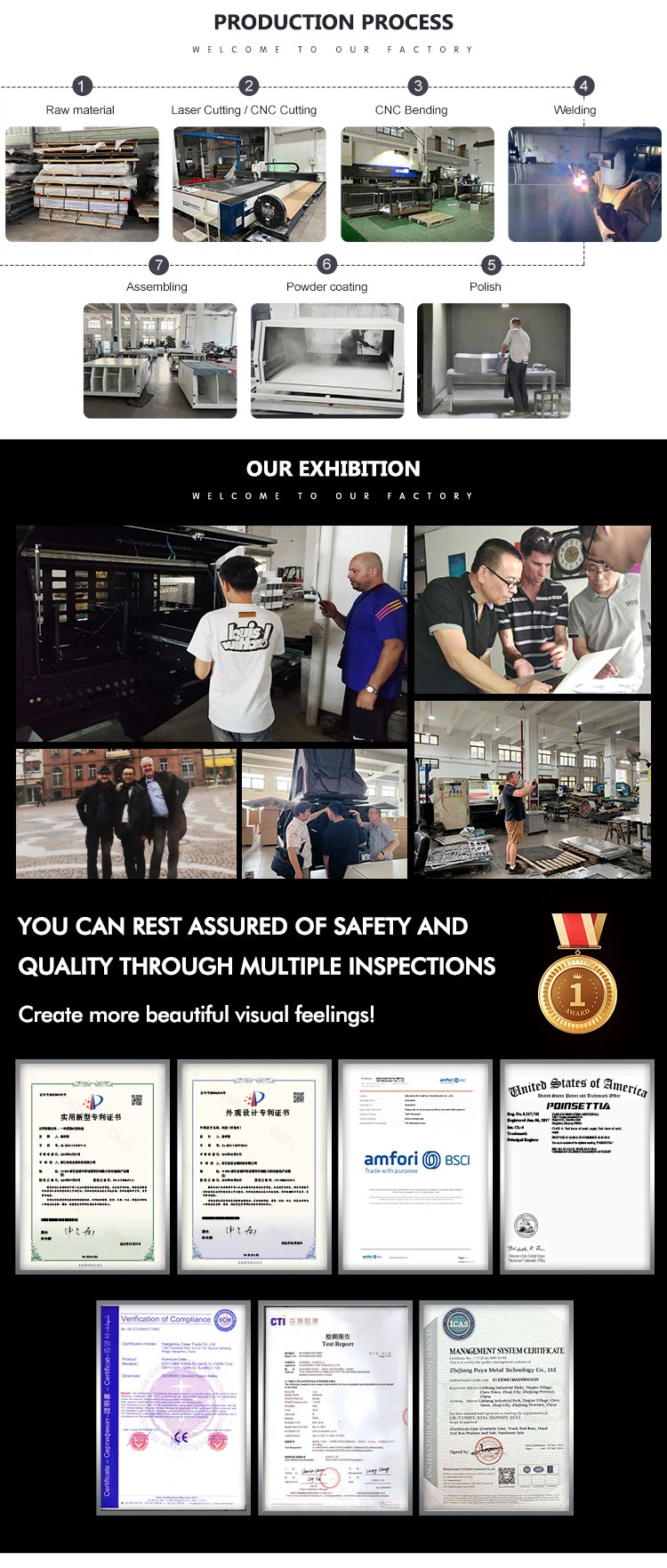
Proper installation is critical to realizing the full performance potential of a flat aluminum canopy. Our installation protocol follows a systematic 12-point process that ensures structural integrity, weatherproofing effectiveness, and compatibility with the vehicle's existing systems. The foundation begins with surface preparation: the vehicle tub is thoroughly cleaned with isopropyl alcohol to remove all wax, silicone, and contaminant residues that could compromise adhesive bonding. Next, a custom-fit mounting subframe (specific to each vehicle model) is positioned and clamped in place—this subframe distributes canopy weight across the vehicle's reinforced mounting points, preventing stress concentration that could crack the tub or compromise structural rigidity. The canopy is then lowered onto the subframe and secured with marine-grade stainless steel fasteners (A4-80 specification) that resist galvanic corrosion even in coastal environments. All penetration points (fastener holes, wiring grommets) are sealed with secondary Sikaflex polyurethane to ensure watertight integrity. For vehicles equipped with integrated tailgate locks, we provide a plug-and-play wiring harness that interfaces with the factory electrical system, enabling centralized locking control from the key fob. The entire installation typically requires 4-6 hours for a standard configuration, or 6-8 hours for canopies with integrated accessories (roof racks, interior lighting, power outlets). We provide detailed installation manuals with torque specifications for all fasteners, and recommend professional installation to maintain warranty validity. Post-installation, we conduct a water test using calibrated spray equipment to verify IP65 compliance before handover.
About the Author
Sarah Chen is the Senior Design Engineer at Hangzhou Case Tools Co., Ltd., specializing in aerodynamic optimization and structural analysis for commercial vehicle accessories. She holds a Master's degree in Automotive Engineering and has published 8 peer-reviewed papers on vehicle aerodynamics and aluminum structure design. Sarah leads our CFD analysis team and has optimized the aerodynamic profiles of over 3,000 canopy units.