
 EN
EN
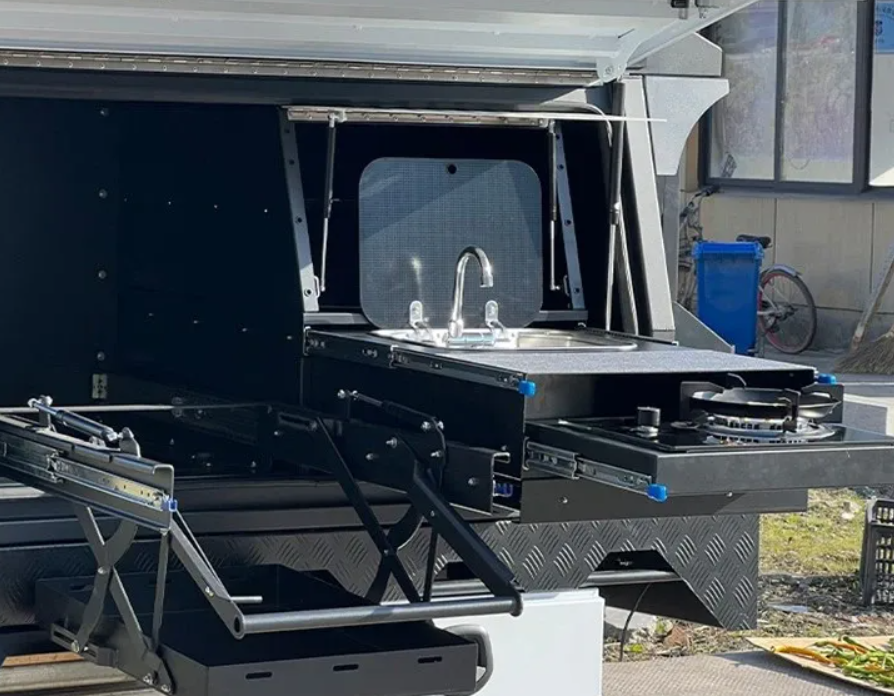
Why Your Ute Tray Needs Adjustable Storage
Let me tell you something. If you own a ute, you know that open tray space can turn into a disaster zone real quick. Tools rolling around, camping gear getting smashed, and that one thing you need always hiding at the very bottom. I have been there, and it is frustrating. That is why so many people are finally realizing the power of a good storage system. When you focus on maximizing ute tray space with adjustable racks and dividers, you completely change how your vehicle works for you. Suddenly, everything has a home. Nothing slides around when you hit a bump. And you can actually find your gear in seconds instead of digging through a pile of junk. For tradies, this means showing up to the job site ready to go. No more wasting time hunting for that one socket or that specific drill bit. For campers and off road guys, it means your cooking gear stays organized, your recovery straps stay clean, and you do not have to unpack half your setup just to grab a snack. The beauty of adjustable systems is that they grow with you. Your needs change. Maybe one week you are hauling lumber, and the next week you are loaded up with camping gear. With fixed storage, you are stuck. But with racks that move and dividers that slide, you can reconfigure everything in minutes. That kind of flexibility is priceless. And honestly, once you try it, you will never go back to just throwing everything loose in the back.
Different Types of Adjustable Racks and Dividers
So what are we actually talking about here? Let me break down the main options. First up, you have got adjustable cargo bars. These are simple but brilliant. They extend across the width of your ute tray and use a ratcheting mechanism to lock tight against the side walls. You can put them wherever you need them, and they stop your load from shifting around. Some of these bars can handle a serious amount of weight, like up to 200 pounds or more. They are perfect for separating different zones in your tray. For example, put one bar behind your toolboxes so they do not slide toward the tailgate. Another great option is modular shelving units that attach to your canopy. These are game changers for anyone carrying lots of small items. You can adjust the shelf heights to fit different size tool cases or parts bins. The best ones use a T track system, which means no drilling into your canopy. You just slide them in and tighten them down. When you need to haul something big, you can remove the whole shelf unit in a few minutes. Then there are plastic dividers made from materials like HDPE, UHMWPE, or acetal. These are lightweight, super tough, and they resist moisture and corrosion. You can install them vertically to create separate compartments, or you can use them horizontally inside drawers. What I really like about plastic dividers is that they do not dent or scratch your gear. Plus, they cut down on noise and vibration. No more metal on metal rattling driving you crazy on long trips. Drawer systems with adjustable dividers are another huge win. A quality ute canopy drawer typically features integrated dividers that you can move around to fit your tools perfectly. You might have one compartment for wrenches, another for screwdrivers, and a third for power tool batteries. When you pick up a new tool, just adjust the divider and you are set. The best drawer systems are built from aluminium. It is lightweight, strong, and it does not rust. You also want full extension slides so you can reach the very back of the drawer without climbing into the tray. Some heavy duty slides can handle over 50 kilograms per drawer, which is plenty for most gear. And do not forget about vertical racks for long items like shovels, axes, fishing rods, or conduit pipes. These mount on the side walls of your tray or canopy and keep tall gear upright and out of the way. You can adjust the mounting points to fit different length items. It is such a simple idea, but it frees up so much floor space.
How to Install and Set Up Your Storage System
Alright, let us get into the actual work. Installing adjustable racks and dividers is not rocket science, but you do need to think ahead. The first step is measuring your ute tray. Know the exact length, width, and height you have to work with. This helps you pick gear that actually fits. Do not assume anything. Measure twice and write it down. Next, think about how you use your tray. What do you carry most often? What do you need to grab quickly? What items are heavy and should sit low? Answering these questions will guide your whole setup. For the actual installation, start with the floor. If your tray does not have a rubber mat or a non slip surface, get one. A good mat keeps boxes and bins from sliding around, and it protects your tray from scratches and dents. Once that is down, position your heaviest items first. Toolboxes, drawer units, or big battery boxes go against the headboard or along the sides. That keeps the center of the tray open for larger cargo. Now, use adjustable cargo bars to lock everything in place. Position one bar behind your stationary gear so it cannot slide toward the tailgate. Then use additional bars to separate different load zones. Maybe one zone for toolboxes, another for camping gear, and a third for recovery equipment. When you tighten the bars, do it evenly. You do not want one side cranked down and the other side loose. If you are installing a canopy and shelving, start with the canopy mounts. Make sure everything is level. Then attach the T track rails to the ceiling or walls according to the instructions. The Removable Canopy Shelving Unit attaches using a T Track system that uses the same load bearing mounts that support the roof rack. No drilling is required, which is a huge plus. Once the tracks are in, slide in your shelf brackets and set the shelf heights. The side supports typically have multiple pre cut holes so you can reposition the height spacing easily. This is useful if you switch to a different height tool case later on. For drawer systems, bolt the frame directly to your tray floor. This step is critical. A loose drawer system can shift when you drive, and that is dangerous. Use reinforced mounting points if your tray has them. Then attach the drawers and test each one. They should slide smoothly without any grinding. Add your adjustable dividers inside the drawers. Most quality systems let you move the dividers around to create compartments of different sizes. Play with the layout until it feels right. Put the stuff you use most at the front of the drawer. Heavy items go in the bottom drawers to keep the center of gravity low. Finally, install any vertical racks for long items. These usually bolt to the side walls. Adjust the mounting points so your shovels or fishing rods fit snugly but not so tight that they are hard to get out. Use bungee cords or straps to secure them, especially if you are driving off road.
Tips for Keeping Everything Efficient and Organized
Once your adjustable racks and dividers are installed, the real magic happens. But you have to use them smartly. Let me share some practical tips that have saved me a ton of headaches over the years. First, group your items by how often you use them. The stuff you grab every single day goes in the easiest spot to reach. For a tradie, that might be your hammer, tape measure, and impact driver. For a camper, that could be your camp stove, coffee kit, and headlamp. Less frequently used items like spare parts or seasonal gear can go toward the back or in deeper drawers. Use clear bins or color coded containers for small parts. Nothing is worse than searching through a jumble of screws, nuts, and bolts. Clear bins let you see exactly what is inside without opening every container. Label everything. A simple label maker or even a piece of masking tape and a marker can save you minutes every time you open your tray. Those minutes add up fast. Another smart move is to use the space above your drawers and shelves. Many drawer systems have a flat top that can handle a decent amount of weight. You can strap down larger items like toolboxes, recovery boards, or even a small generator right on top. Just make sure you do not overload it because that can affect how smoothly the drawers slide. If you have a canopy, do not forget about the ceiling. You can install overhead nets or lightweight racks for storing soft items like jackets, sleeping bags, or tarps. That is space that usually just goes empty. Take advantage of it. Keep a small notepad or a whiteboard inside your canopy to track what is running low. Did you use the last roll of tape? Write it down. Is your first aid kit missing something? Make a note. When you get back to the shop or home, you can restock without trying to remember everything. This works surprisingly well. Regularly clean out your tray. It is easy to let junk accumulate over time. Empty boxes, empty water bottles, and random trash take up space that could be used for actual gear. Once a month, take everything out, wipe down the surfaces, and put back only what you actually need. You will be amazed at how much space you free up. Another pro tip is to use magnetic strips on the inside walls of your canopy or on the sides of your drawer frames. These are perfect for holding metal tools like wrenches, pliers, and screwdrivers. They stay visible and within easy reach, and they do not take up drawer space. If you carry power tools, consider installing charging stations inside your canopy. A simple 12V system with a battery box lets you recharge your drill batteries while you drive. Plan your wiring before you pack everything full. It is much easier to run cables when everything is empty. Finally, do not be afraid to change your layout. Your needs will change over time. Maybe you pick up a new tool that is bigger than you expected. Maybe you start carrying different camping gear. That is the whole point of adjustable systems. They let you adapt. Take an hour on a weekend to rethink your setup. Move some dividers. Adjust some shelf heights. Try a different layout. You might find a way to fit even more gear without buying anything new. When you properly maximize your ute tray space with adjustable racks and dividers, you are not just adding storage. You are building a system that works for you day in and day out. It saves you time, protects your gear, and makes every trip more enjoyable. If you want gear that is built to handle real world abuse, CaseTools has solid options that get the job done without the headaches. So go ahead. Get organized. Your future self will thank you.