
 EN
EN
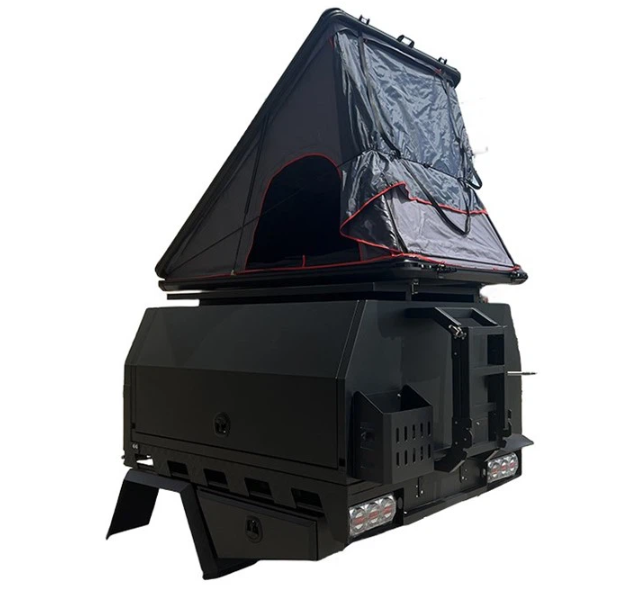
Winter camping is something else. The air is crisp, the crowds are gone, and the whole world feels quieter. But let me tell you, if you do not prepare properly, those freezing nights can turn your adventure into a real nightmare. That is where your camping canopy comes in. A good canopy already gives you shelter, but when the temperature drops, you need to step things up. Insulating your camping canopy is the secret to staying warm and cozy without hauling a massive heater everywhere. In this post, we are going to walk through how to get your canopy ready for cold weather, what materials actually work, and how to avoid common mistakes like condensation. Whether you are a weekend warrior or a full time overlander, these tips will help you sleep better when the mercury falls.
Why Your Camping Canopy Needs Insulation for Winter
Most people think a canopy is just for keeping rain off your head. That is true, but when winter hits, the rules change. A standard canopy with thin fabric or aluminum panels does very little to hold heat in. As soon as the sun goes down, the temperature inside can drop almost as fast as outside. Your body heat escapes through the walls and roof, and you end up shivering inside your sleeping bag.
The biggest heat robber is the ground. Believe it or not, you lose a huge amount of heat through the floor of your setup. Cold soil or snow pulls warmth right out of you. That is why insulating your camping canopy starts from the bottom up. You also have to deal with wind. A chilly breeze slipping through zippers and seams can make things feel ten degrees colder than they actually are.
Another sneaky problem is condensation. When you breathe inside a cold canopy, the warm moisture in your breath hits the cold surfaces and turns into water droplets. That can leave your bedding damp and make you feel even colder. So insulation is not just about keeping heat in. It is also about controlling moisture so you wake up dry and comfortable.
I have seen plenty of folks try to tough it out without insulation, and they always regret it. A little bit of prep work makes a massive difference. You do not need to spend a fortune either. With some basic materials and a few hours of work, you can turn your canopy into a warm retreat that laughs at the cold.
Choosing the Right Insulation Materials for Your Canopy
Picking the right insulation for your camping canopy is like picking the right jacket. You want something that works for your specific conditions. Not all materials are the same, and what works for a hot summer day is useless in freezing weather.
Closed cell foam is a favorite for a good reason. It gives you solid insulation without taking up much space. It also resists moisture, which is huge when you are dealing with condensation. If your canopy has metal walls, closed cell foam works really well because it creates a barrier that stops the cold metal from sucking out your heat.
Reflective insulation is another smart choice. These are the shiny foil faced materials that bounce heat back toward you. They work best when there is a small air gap between the reflective layer and the wall. You can find these in rolls at most hardware stores. They are lightweight and easy to cut to size. Just be careful not to crush the air gap or the reflective effect drops off.
For a more permanent setup, some folks use spray foam or rigid foam boards. These give you high R value per inch, but they are harder to remove if you change your mind. Thinsulate style materials are great if you want something flexible that can wrap around curves and tight spots. They also help reduce noise, which is a nice bonus.
Do not forget about the floor. A simple foam mat or a thermal rug can do wonders. Layering is your friend here. Put down a moisture barrier first, then a foam pad, then a thick blanket or carpet on top. That stack will keep the cold ground from stealing your body heat.
Step by Step Guide to Insulating Your Camping Canopy
Alright, let us get into the actual work. Insulating your camping canopy does not require a degree in engineering, but you do need to take your time and do it right.
Start by cleaning the inside of your canopy. Wipe down all the walls and the roof so the insulation sticks properly. If you have an aluminum canopy, metal expands and contracts with temperature changes, so you want to use a flexible adhesive that can handle that movement. Something like Sikaflex works really well.
Measure your wall and roof panels carefully. Cut your insulation material to fit each section. For closed cell foam, you can cut it with a sharp utility knife. For reflective rolls, scissors work fine. Test fit each piece before you glue anything down. Make sure it sits snug but not so tight that it bulges out.
Once everything fits, apply adhesive to the back of the insulation and press it firmly against the canopy wall. Work from the top down to avoid sagging. For the roof, you might need some temporary support while the adhesive sets. Use a piece of plywood or some sticks to hold it in place for a few hours.
Now, let us talk about the doors. This is where a lot of people mess up. When you add insulation to the walls, the door seals might not close properly anymore. You can fix this by using thinner insulation around the door openings or by adjusting the latch. Some folks use insulation tape around the seal itself to keep the cold air out without adding too much thickness.
The floor needs attention too. Lay down a moisture proof mat first. This stops any dampness from the ground seeping up. On top of that, put down closed cell foam mats or interlocking foam tiles. These are cheap and work great. Finally, throw a thick rug or a wool blanket over everything. Your feet will thank you in the morning.
Do not forget about the windows and vents. You want to keep heat in, but you also need some airflow to prevent condensation. Cover windows with removable insulated panels. You can make these from reflective foam board with a bit of Velcro to hold them in place. For vents, keep them slightly open unless the wind is howling. A little bit of fresh air goes a long way toward keeping things dry inside.
Staying Warm and Managing Condensation
Once your camping canopy is insulated, the next challenge is staying warm without turning your shelter into a sauna. You need to balance heat retention with moisture control.
Your sleeping setup matters more than anything else. A good sleeping pad with a high R value is non negotiable. Look for something rated at least R 5 for winter use. On top of that, use a sleeping bag rated for the temperatures you expect. Remember that ratings are usually survival ratings, not comfort ratings. So if you think it will drop to 20 degrees, get a bag rated for zero or lower.
Layering your bedding is another trick. Put a fleece blanket inside your sleeping bag, and another one on top. You can also use a sleeping bag liner for extra warmth. Some folks swear by hot water bottles. Fill a durable bottle with hot water before bed and toss it inside your bag. It makes a huge difference when you first climb in.
A small heater can take the edge off, but you have to be careful. Propane heaters create moisture and can be dangerous in small spaces without ventilation. Diesel heaters are a better option because they vent the exhaust outside. If you use any kind of heater, always have a carbon monoxide detector inside your camping canopy. That is not a suggestion. That is a must.
Ventilation is your friend, even when it is freezing outside. Crack a vent or a window just a tiny bit. It might seem crazy to let cold air in, but that small opening allows moisture to escape. Without it, you will wake up with frost on the inside of your walls. Trust me, that is not a fun way to start your day.
Here is a tip that has saved me more than once. Keep a small towel or a microfiber cloth inside. Wipe down any condensation you see before it turns into dripping water. It only takes a few seconds and it keeps your gear dry.
Another thing to watch is your breath. If you zip your sleeping bag all the way up over your head, all that moisture gets trapped inside. Leave a small opening so your breath can escape. Better yet, wear a warm hat and a balaclava so you can keep your face exposed without getting cold.
Final Thoughts
Getting your camping canopy ready for cold weather is not rocket science, but it does take some planning. The payoff is huge. You get to enjoy winter camping without freezing your backside off. You wake up rested instead of shivering. And you can stay out longer because your gear stays dry and functional.
Remember to start with a solid floor insulation setup. That is where most heat loss happens. Then move to the walls and roof. Use materials that resist moisture, because wet insulation is useless insulation. Keep some airflow going to fight condensation, and always have a CO detector if you use a heater.
If you are looking for gear that can handle the rough stuff, CaseTools has you covered. They have been building tough canopies and trays for years, and they know what works when the weather turns nasty. A good canopy gives you a solid foundation. Good insulation makes it livable. Put the two together, and you have a winter camping setup that will keep you coming back for more.
So go ahead. Get out there when the snow flies. The trails are empty, the views are stunning, and with a properly insulated camping canopy, you will stay warm enough to actually enjoy it all.